
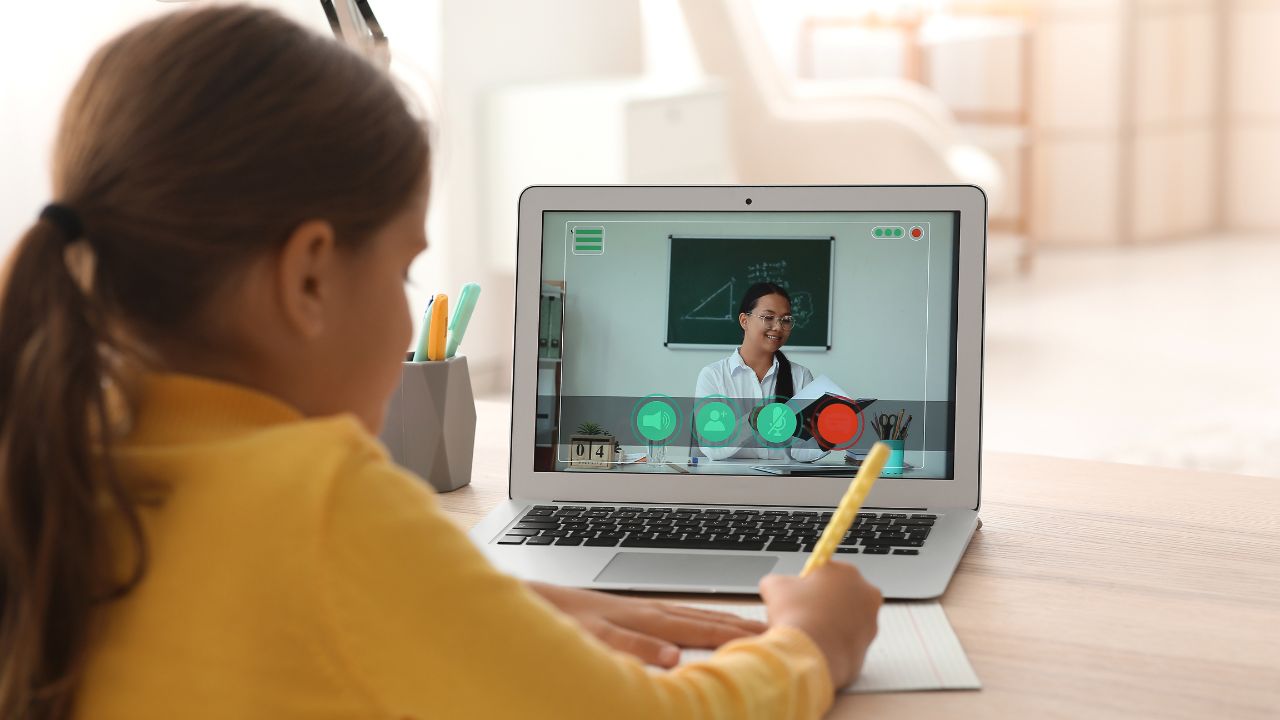
Struggling with online learning? Louise Dawson, School and Parent Inclusion Specialist and Education Consultant, shares expert insights
Right now, families across the UAE are once again navigating online learning. While schools are better prepared than ever, homes have also had to adapt too.
But this is not just about learning from home. It is about learning in times of uncertainty, disruption, and for many, increased anxiety. Therefore, wellbeing must take priority. This is not about achieving perfection. It is about making it manageable, human, and sustainable.
Here are 10 practical, realistic ways to support your child and yourself.
Top tips to make online learning work
Wellbeing first, always
Children are not just learning online; they are absorbing everything around them. Disruption to routine and a loss of predictability can show up as tiredness, resistance or emotion. That is not failure; it is a response.
Your priority is not productivity. It is emotional safety.
- Check in emotionally before logging on
- Lower expectations on difficult days
- Focus on connection before correction
Sometimes the most important message is simply: “You’re safe. I’m here.”
Create an adaptable routine

Structure still matters, but rigid routines can add pressure, and no routine creates chaos. Aim for a flexible structure.
- A simple daily rhythm (wake, eat, learn, break, move, rest)
- A visual timetable for younger children
- A loose plan, not a minute-by-minute schedule
- Consistent meal times
Some days will flow, and some days won’t, but we all feel better with structure.
Think predictable, but adaptable.
Protect school hours (where possible)
Trying to work, supervise learning, run a home and stay emotionally available all at once is not sustainable.
Where possible:
- Treat school hours as learning time
- Encourage engagement, even if it’s not perfect, consistent or fully independent
- Prioritise attendance – even brief check-ins matter
Teachers are also safeguarding your child’s wellbeing, so keep communication open. Then, step back where you can.
Don’t try to do everything
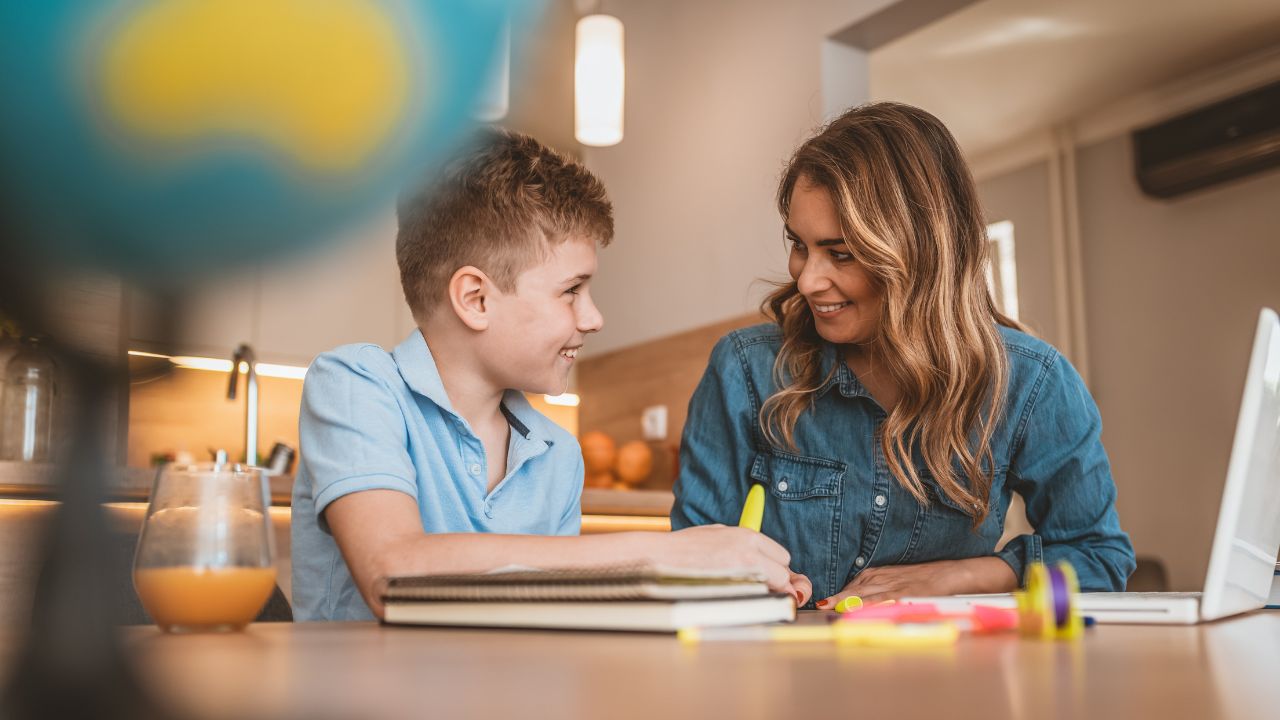
You are not the teacher, IT support and parent all at once.
- Chunk your day
- Work when your child is offline or resting
- Accept that some things will wait
This is not a failure on your part. It is prioritisation.
You might also like: When coping isn’t thriving – understanding neurodiversity in UAE classrooms
Movement is essential, not optional
Build in movement.
Children are not designed for prolonged screen time, especially during stress.
- Build in short movement breaks
- Get outside where possible
- Include daily physical activity
Even helping with household tasks builds skills and supports regulation.
Allow flexible expectations

There is a misconception that flexibility means “letting things slide.” It doesn’t.
It means adjusting expectations to the context, recognising that attention and motivation may fluctuate, and allowing different ways to engage.
For example:
- Camera off, but listening
- Shorter bursts of work
- Different ways to show understanding
Some days, just getting through is enough.
Pause when it’s not working
If engagement drops, don’t push harder.
- Pause
- Reduce
- Reset
Then ask: What does my child need today? Not yesterday. Not the timetable. Today.
Focus on small wins

At home, long periods of focus are often unrealistic.
Shift the goal from a “full day” to meaningful moments:
- Completing one task well
- Joining one lesson
- Having one positive interaction
Progress still counts, even if it looks different.
Prioritise connection
In times of disruption, relationships matter more than routines.
Prioritise:
- Family time
- Conversation
- Moments of joy
Children will remember how they felt much more than what they are meant to learn.
Finally… be kind to yourself
This situation is not normal, and it’s okay to have wobbles and bad days.
Even though systems are more prepared, and online learning is more familiar, the context is still complex.
Schools are working hard to maintain continuity in an education system that was not designed for online learning. Families are carrying a different kind of load, and one that is often invisible.
So remind yourself:
- You don’t have to do this perfectly
- You don’t have to replicate school
- You don’t have to have all the answers
Getting through with a few smiles is enough. One step at a time.
For further information, see: louisedawson.com
Follow Yalla for all the latest news