
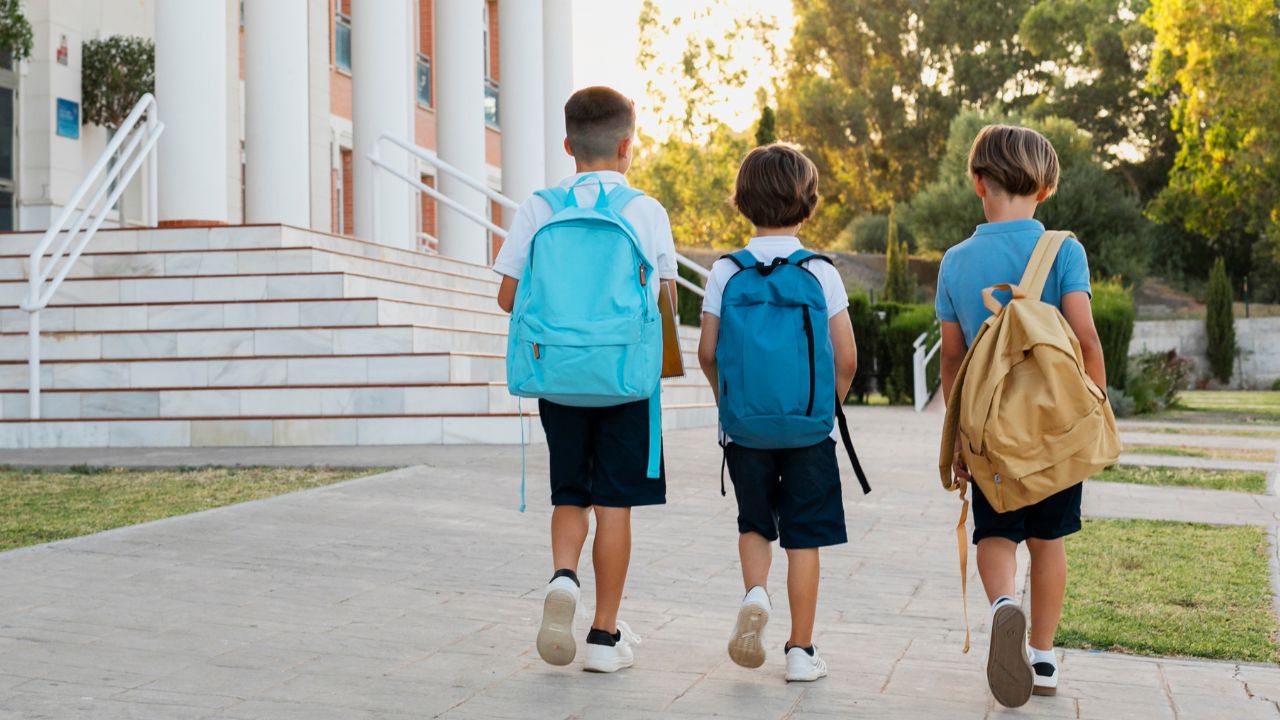
As UAE schools reopen after weeks of closure, here’s how to help children reset and return with confidence
After weeks of distance learning, many UAE children have kept a routine, but one that looks quite different from a full day at school.
Later starts, more flexible schedules and learning from home all shape a very different rhythm.
As UAE classrooms reopen, the challenge is not starting from scratch but adjusting back.
Earlier mornings, full school days, social energy and in-person expectations can feel like a sudden shift, even for children who have stayed engaged online.
The good news is that small, thoughtful changes at home can make a significant difference.
With the right balance of structure, reassurance and realistic expectations, the return to school can feel calm, positive and manageable, for both children and parents.
Here are 5 top tips for a smooth return to school
1. Reset routines early (don’t wait until Sunday night)
After six weeks of distance learning, children have had structure, but a very different kind. The shift back to full school days, earlier starts and in-person expectations can still feel significant.
- Start adjusting wake-up and bedtime 3–5 days before school returns
- Shift gradually (10–15 minutes per day) rather than all at once
- Reintroduce “out-the-door” habits: getting dressed early, proper breakfasts, leaving the house on time
Why it matters: Even with online routines, children’s body clocks and energy patterns often drift. A gradual reset reduces fatigue, irritability and poor focus in the first week back.
It’s not about rebuilding routine from scratch; it’s about bridging from home rhythm to school rhythm.
2. Prioritise sleep
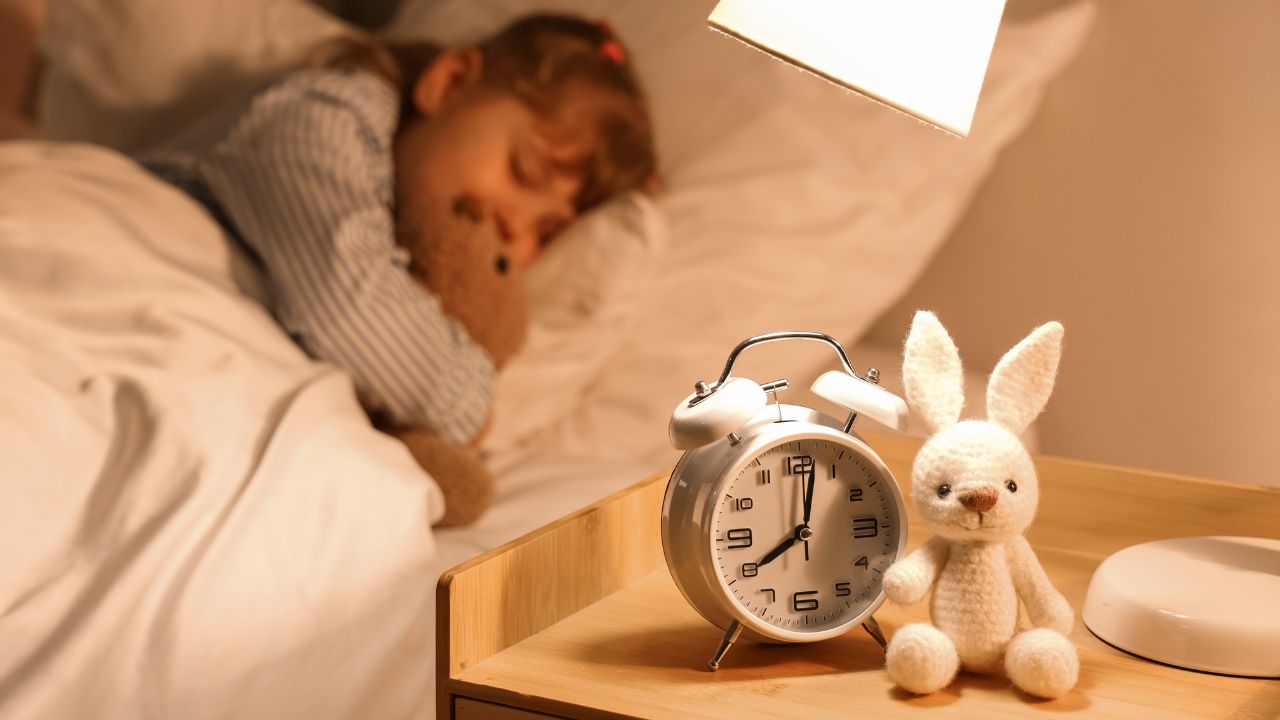
Sleep is foundational and one of the biggest predictors of how well children cope with the return.
- Aim for: 9–12 hours (primary), 8–10 hours (teens)
- Create a consistent bedtime routine (bath, reading, low light)
- Remove screens at least 30–60 minutes before bed
Why it matters: Adequate sleep improves mood, concentration, behaviour and academic performance.
A well-rested child is far more resilient on day one than a perfectly organised one.
You might also like:
3. Talk it through (reduce uncertainty, build confidence)
After a long break, children often feel a mix of excitement and low-level anxiety.
- Ask simple, open questions:
“What are you looking forward to?”
“Anything you’re a bit unsure about?” - Walk through the first day (timings, teachers, routines)
- Keep tone positive but realistic
Why it matters: Predictability reduces anxiety and helps children regain a sense of control.
4. Reconnect socially before school starts
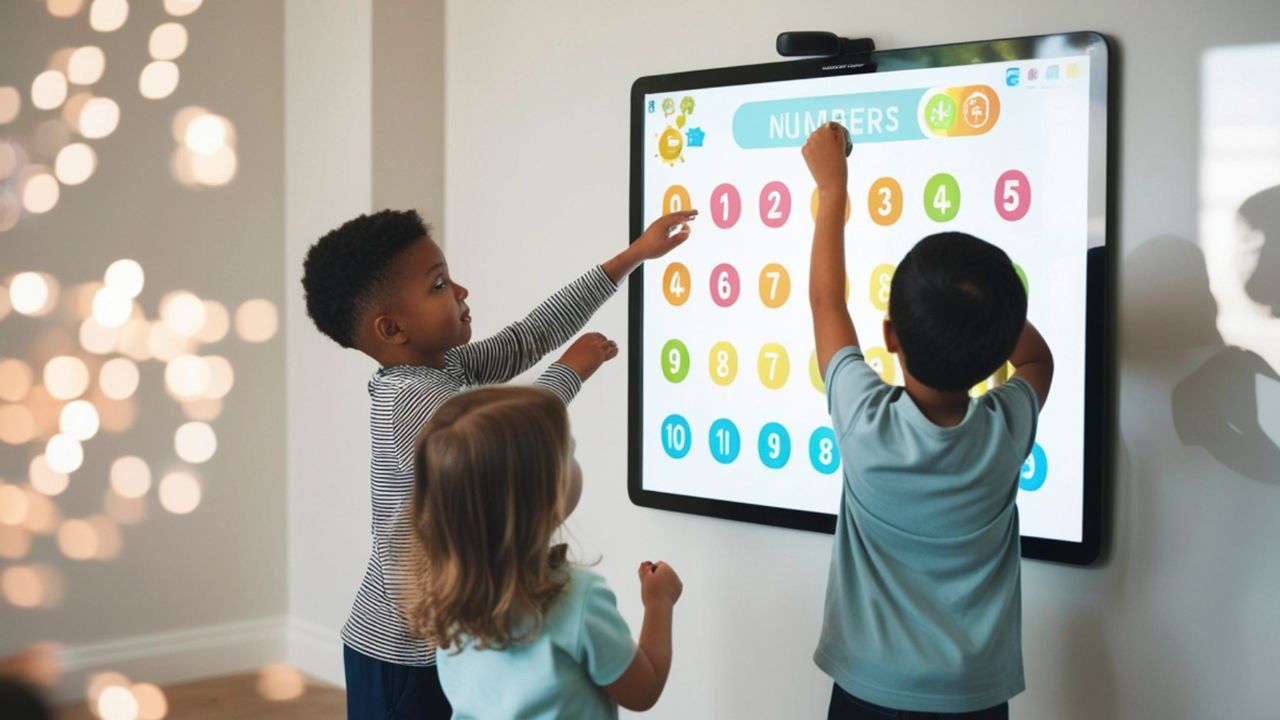
Social re-entry can be as significant as academic re-entry. Here’s what you can do to help:
- Arrange playdates or a casual meet-up with classmates over the weekend
- Even one familiar face can ease the transition
- For older children, encourage low-pressure social contact
Why it matters: Children returning after a long break can feel socially “out of sync,” especially if routines and friendships have drifted.
Monday feels very different if they’ve already seen a friend.
5. Keep expectations light in week one
The first week back is a transition period, not a performance moment.
- Expect tiredness, emotional dips, or resistance
- Avoid overloading with activities immediately
- Focus on rhythm over results
Why it matters: Children are adjusting to structure, workload and social demands simultaneously after a relaxed period.
Think “re-entry runway,” not instant full speed.
A simple weekend reset checklist:
- Earlier bedtime
- School bag ready
- Uniform laid out
- Quick catch-up with a friend
- Positive conversation surrounding school
Follow Yalla for all the latest news