
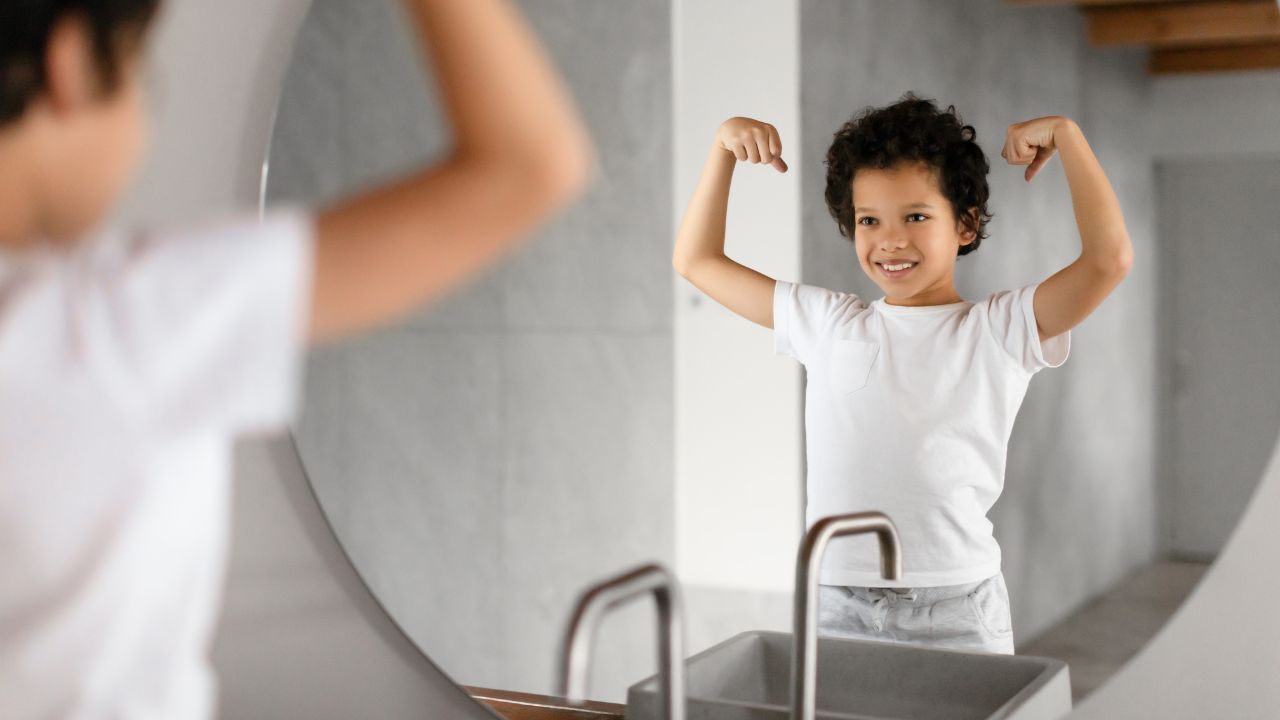
Body worries can start in early childhood. Ruby Fiddes of GEMS Founders School Al Mizhar shares what UAE parents need to know
For most parents, body image is a teenage problem. Social media. Peer pressure. Identity. But emerging research – and what teachers are seeing in early years classrooms across the UAE – tells a different story.
Body image awareness, and even dissatisfaction, can begin as young as three.
The classroom moment that changed everything
Ruby Fiddes, Assistant Head Teacher at GEMS Founders School Al Mizhar, remembers the moment clearly.
“A child described a character as a ‘baddie’ because she was ‘so fat’,” she says. “That was a turning point. I began to notice how children talked about food, their lunchboxes, and even their own bodies during play.”
“I had always thought body image was an adult issue. It was surprising – and worrying – to see these attitudes emerging so early.”
Why this matters more than ever
Research into very young children is still developing, but the findings are consistent.
Studies suggest that:
- Children as young as 3–5 associate larger bodies with negative traits
- Nearly half of children aged 6–12 report dissatisfaction with their appearance
- Around 70% of preschool-aged children show some awareness of body image
More recent UK-based research suggests that perceptions of body image are shaped from early childhood, influenced by what children see, hear, and internalise.
By the time children reach primary school, many attitudes are already forming.
What does body image concern look like in early years?
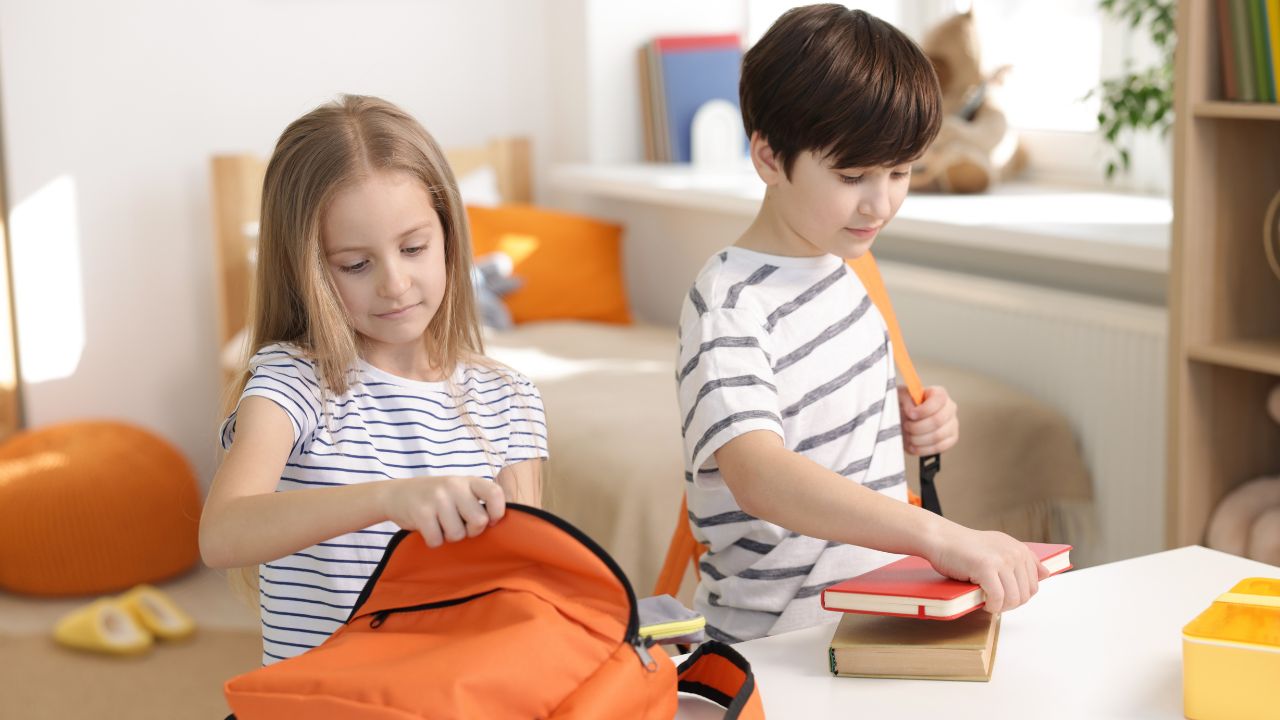
In young children, body image issues can appear through:
- Casual comments about size – “she’s fat,” “I’m big”
- Food labelled “good” or “bad”
- Preference for certain body types in stories or play
- Comparing themselves to others
These are often absorbed behaviours rather than consciously held beliefs, but they still shape self-worth.
The hidden influence: what children hear at home
One of the most consistent drivers of early body image perception is not media, but adults.
Children are highly observant. They absorb not just what is said to them, but what is said around them.
“We all have insecurities, but making negative comments about our own bodies can pass on these feelings without realising it,” says Fiddes. “Children learn how to feel about their bodies by observing adult behaviour.”
This includes:
- Talking about dieting in front of children
- Criticising your own weight or appearance
- Labelling foods as “fattening or “slimming”
Even when not directed at the child, these messages can normalise dissatisfaction, and children can grow up believing that a certain body type is wrong.
Rethinking how we talk about food
“Food serves a purpose. It gives our body what it needs,” Fiddes explains. “But when we label foods as ‘healthy’ or ‘unhealthy’ purely in terms of weight, children begin to link eating with appearance rather than wellbeing.”
A more effective approach is to focus on energy, strength and growth.
“Considering our words carefully and maintaining a calm and balanced approach when talking about food helps children to understand how to make healthy choices without feeling pressured or anxious about eating.”
You might also like: How to choose the right tutor in the UAE, according to the experts
Praise: what really builds confidence
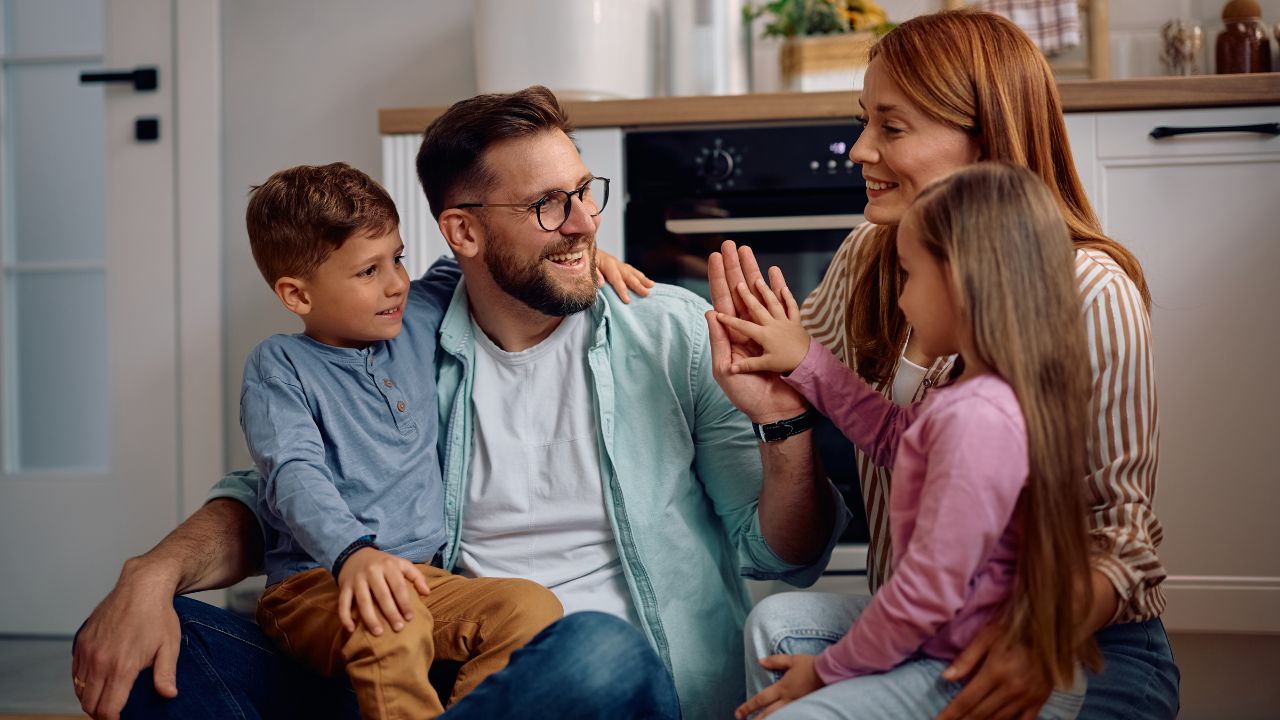
A common contributor to body image is praise.
Children who are frequently complimented on appearance, “you look pretty,” “you’re handsome”, can begin to prioritise how they look over who they are.
“If children repeatedly hear praise only about appearance, they start to see this as what matters most,” says Fiddes. “If that changes as they grow, it can impact their confidence.”
Instead, shift praise toward:
- Effort – “You tried really hard”
- Character – “You’re kind”
- Capability – “Your body helped you run so fast”
Praising children for a range of things is key. This builds a more stable sense of self and helps children understand that our bodies enable us to do all kinds of things and that we are more than just “what we look like”.
When a child says, “I’m fat”
The instinct is often to reassure quickly with “no, you’re not”.
But this can shut down the conversation.
“It’s important to understand where the feeling is coming from,” says Fiddes. “Talk with children honestly and in an age-appropriate way about their concerns. Has someone said something? Are they comparing themselves to something they’ve seen?”
A more effective response:
- Pause and listen
- Ask open questions
- Validate feelings without reinforcing the belief
- Reframe toward what the body can do
If concerns persist or affect behaviour, seek advice from a healthcare professional, who can support you.
Screens, stories and social media
Even before social media, children absorb messages through storybooks, cartoons, advertising or family viewing habits.
Some traditional stories still associate beauty with goodness, something parents should be aware of when choosing content.
As children grow, exposure increases.
A 2022 study found that 90% of girls follow at least one social media account that makes them feel less confident about their appearance.
This makes early education critical:
- Teach children that images are often edited
- Encourage critical thinking about what they see
- Curate diverse, realistic representations
Schools and parents: the need for consistency
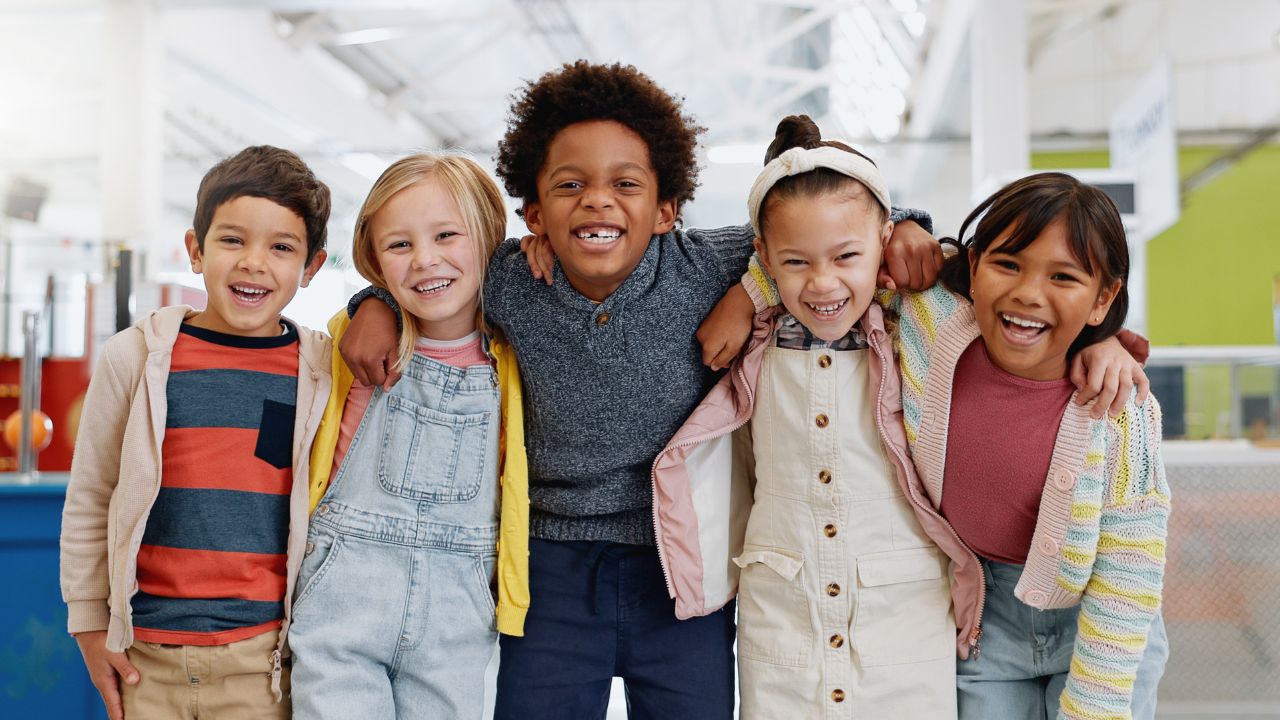
Children receive messages from multiple environments. Alignment matters.
Fiddes emphasises that body-related concerns should be handled with the same care as any other wellbeing issue.
“We wouldn’t address academic or safeguarding concerns with a generic message,” she notes. “Conversations about body image should be respectful, personal and supportive.”
Schools can help by representing a range of body types in their materials, teaching empathy around language, and making space for open conversation.
A shift parents can lead
Body image is no longer a teenage issue. It is shaped quietly, early, and often unintentionally.
Small, consistent changes in language, behaviour and awareness can have a disproportionate impact.
As Fiddes reflects: “Taking the time to understand body positivity has completely changed how I interact with children. It’s something every parent and educator should explore.”
What children learn about their bodies now will stay with them far longer than we think.
Top tips: building positive body image in young children
- Model what you want them to learn. Children mirror behaviour more than words.
- Focus on function, not form. Talk about what bodies do – running, hugging, dancing – not how they look.
- Be mindful of food language. Frame food around nourishment and balance, not weight or appearance.
- Diversify what they see. Choose books, shows and toys that reflect a wide range of body types.
- Praise beyond appearance. Highlight kindness, effort, resilience and curiosity.
- Keep conversations open. If concerns arise, explore them rather than dismissing them.
- Teach media awareness early. Even simple explanations – “this isn’t always real” – can build critical thinking.
- Work with your school. Ensure consistent messaging between home and classroom.
Follow Yalla for all the latest news