
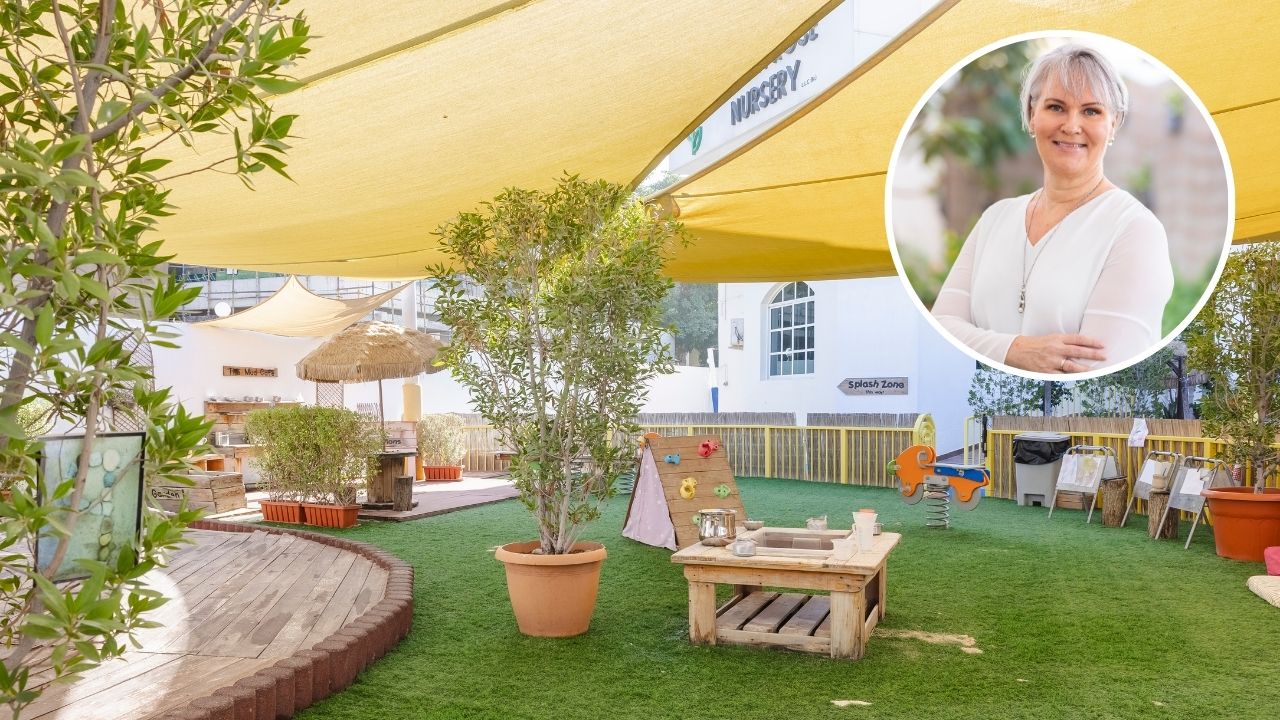
Why Finland’s child-led early years philosophy is sparking conversation in the UAE
In a region where school readiness conversations often begin early, Finland offers a strikingly different message: slow down.
For decades, Finland has drawn global attention for its education system, particularly its approach to the earliest years. But long before international rankings made headlines, Finland had already built its educational philosophy around a simple idea: childhood is not preparation for learning. It is learning.
Now, that philosophy is expanding its presence in the UAE, with HEI Early Learning Centres bringing their own interpretation of the Finnish early childhood model to Dubai.
But beyond the stats, what does the approach involve, and why is it attracting attention with families here?
Play — but with purpose
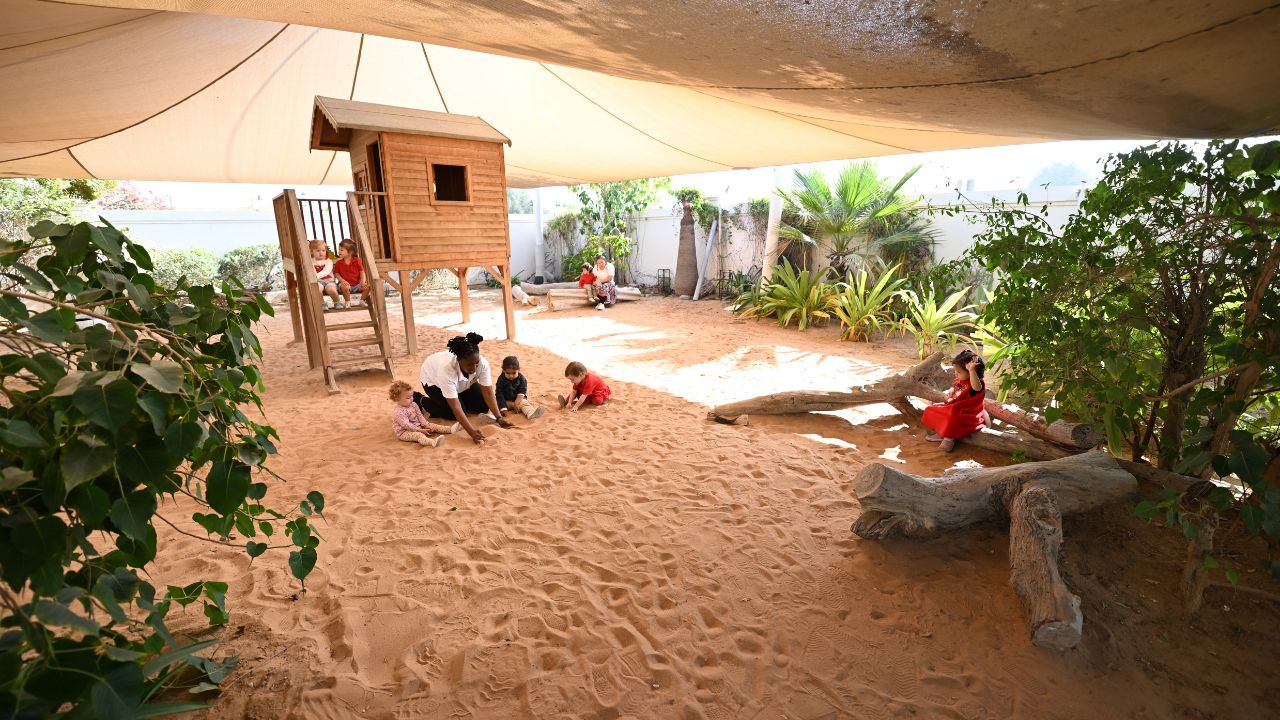
At the heart of the Finnish early years model is a belief that children learn best through play. Not worksheets. Not early academic drills. But rich, open-ended, child-led exploration.
Sari Saliba, General Manager of HEI UAE Early Learning Centres, explains that this is not a passing trend in Finland; it is a long-standing foundation.
“Finland has a long history of recognising the value of holistic education and the importance of play in early childhood, long before it became a mantra in other curricula,” she says.
“Universities in Finland have studied early childhood extensively, and that research informs teacher education and practice.”
For parents more familiar with structured frameworks such as the British EYFS — which is also play-based but built around specific learning goals — the Finnish approach can feel less formal.
But less formal does not mean less rigorous, explains Sari. “I wouldn’t make a distinction between ‘free’ and ‘purposeful’ play”, she says. “A child plays to enjoy themselves, practise skills, regulate and express emotions, and test and try out different ideas. While a child plays, they learn, even without a teacher. An educator can guide play towards desired learning outcomes, but they must direct, not lead.”
You might also like: Beyond the right answer: how to help your child really love maths
School readiness and the skills that last
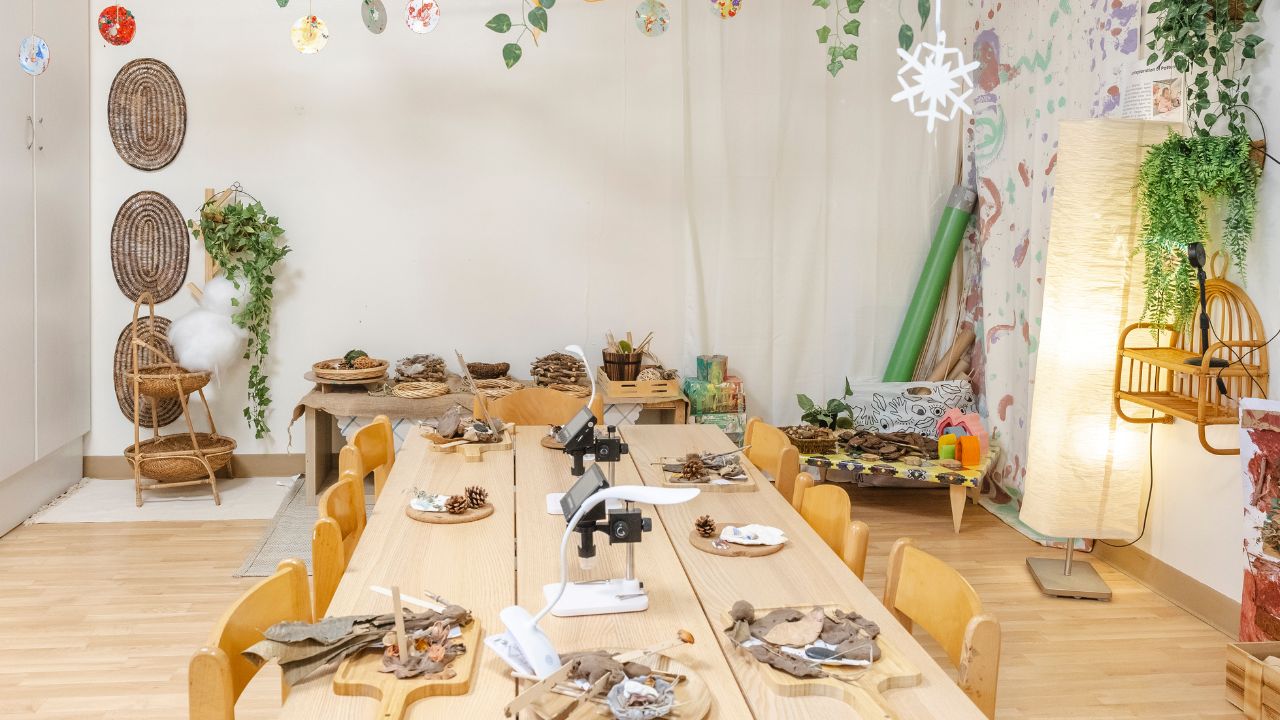
One of the most discussed aspects of Finland’s system is that formal schooling begins at age seven, a deliberate choice backed by years of developmental research. In the UAE, compulsory schooling begins at six, and in many systems, structured literacy begins even earlier.
The Finnish rationale is rooted in readiness. “Children need to be physiologically, psychologically and socially ready for school,” says Sari. “The skills required for school readiness are the ones they are learning while playing and interacting in a calm and safe environment.”
Those skills include language development, communication, self-regulation, independence, social competence, resilience and creativity; the very foundations children need to thrive both in school and beyond it.
For UAE families, where school-readiness conversations start early, this is a reassuring reframe. In the early years, the milestones that matter most aren’t only academic; they’re human. A child who can manage emotions, communicate needs, play alongside others, and persist when things feel difficult is well prepared for school.
“We support learning,” says Sari. “But we delay formal institutional education until children are developmentally ready. Early childhood is not the time to create small adults.”
“When learning is the child’s own choice and not forced, it creates a meaningful experience that nurtures their natural love of learning,” says Sari. “Through play, children strengthen the skills that make later academics easier.”
For families planning transitions into more structured primary systems, understanding how early years approaches align with later schooling remains an important part of the decision-making process.
Where Finnish thinking meets the UAE
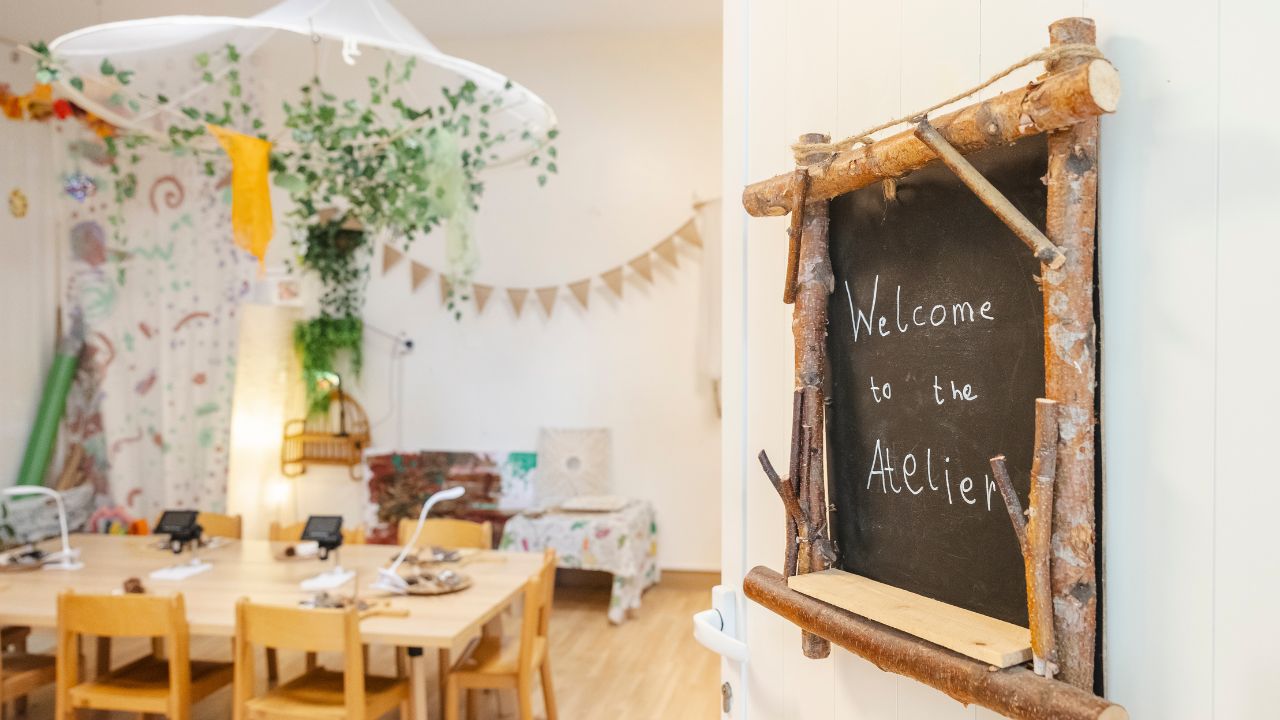
What makes the Finnish approach particularly interesting in the UAE context is how closely some of its principles align with the country’s evolving education vision.
Dubai’s Early Childhood Care and Education Quality Framework emphasises wellbeing, curiosity, partnership with families and learning environments designed around the child. The language of the “active, capable, curious learner” echoes many Finnish principles.
At the same time, the UAE offers one of the most diverse early years landscapes globally — British, Montessori, Reggio-inspired, bilingual and now Finnish approaches exist side by side. Each brings distinct strengths.
For some families, structured assessment milestones offer reassurance. Others may be drawn to child-led philosophies that prioritise pace and emotional security. The right decision will always depend on the individual child.
More choice for UAE families

HEI UAE operates within local regulatory frameworks while drawing on Helsinki International Schools’ curriculum model. Educators receive training aligned with Finnish pedagogical principles, adapted for the UAE context.
For families in Dubai, several HEI Early Learning Centres will open for the 2026-27 academic year, including a purpose-built facility in Arabian Ranches 1, further expanding the growing number of Finnish-inspired settings across the UAE.
Its presence adds to a growing conversation in early education: that childhood is not a race. In the earliest years, depth often matters more than pace, curiosity more than comparison. A child who feels secure, capable and engaged is already building the foundations for what lies ahead.
Five research-informed principles behind Finland’s early years approach:
- Play is learning. In early childhood, the two are inseparable.
- Readiness over rushing. Timing matters more than speed.
- Emotional skills come first. Self-regulation and resilience underpin success.
- Autonomy builds motivation. Children engage more deeply when they have ownership.
- Wellbeing drives growth. Secure relationships support learning.
Follow Yalla for all the latest education news