This February, UAE schools spotlight how mother-tongue languages support learning, identity, and belonging
Hello, Marhaba, Bonjour, Guten Tag, Ciao, Namaste, Konnichiwa, Olá
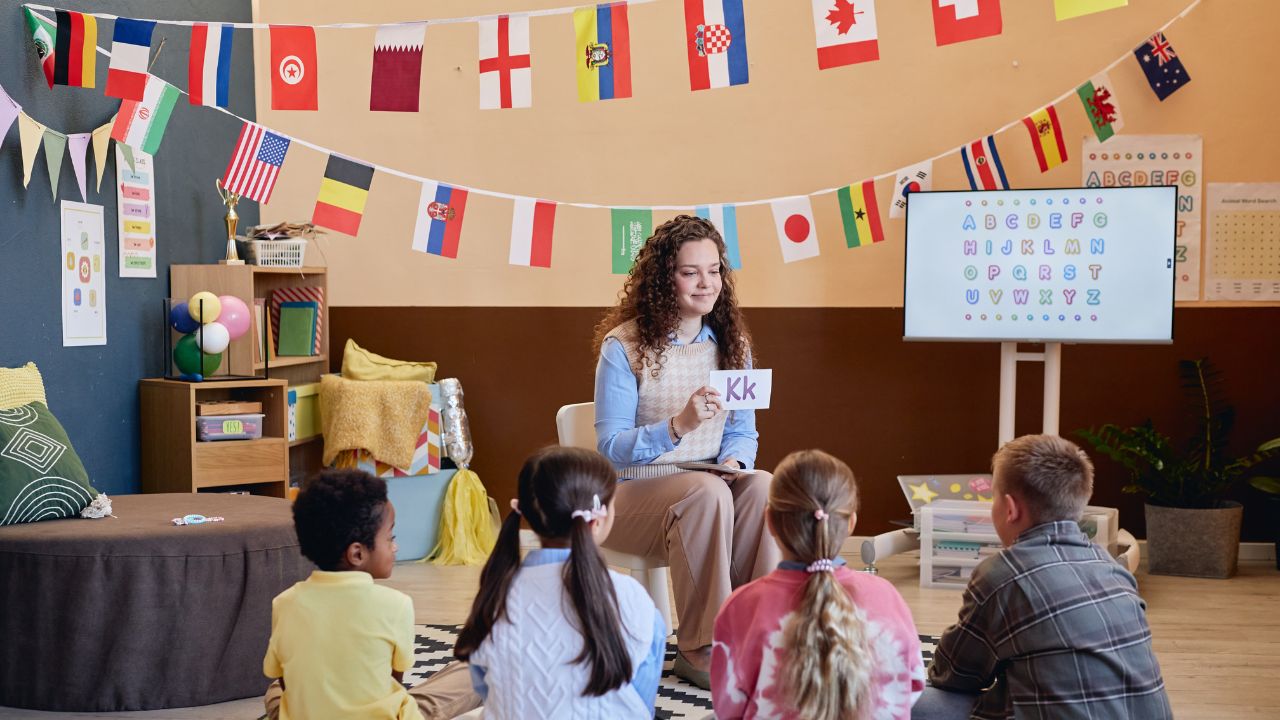
On 21 February, classrooms across the UAE will be filled with greetings in dozens of languages as schools mark International Mother Language Day, a global initiative established by UNESCO to champion linguistic diversity and multilingual education.
In a country where more than 200 nationalities live side by side and children learn together in vibrant, multilingual classrooms, the message carries particular weight. For many families, language is more than a subject; it is identity, heritage and a connection to home.
Research shows that strong development in a child’s first language supports literacy, cognitive flexibility and long-term academic success. Children who feel confident in their mother tongue are often better equipped to acquire additional languages and navigate different cultural contexts. Language is not simply communication — it shapes how children think.
In the UAE, multilingualism is not unusual; it is an everyday reality. Arabic sits alongside a rich mix of home languages, and exposure to more than one language is associated with enhanced memory, problem-solving, and critical-thinking skills, which strengthen learning across every curriculum. In Dubai, that early start is also being reinforced with strengthened Arabic provision in the Early Years, guided by the KHDA.
How schools are celebrating
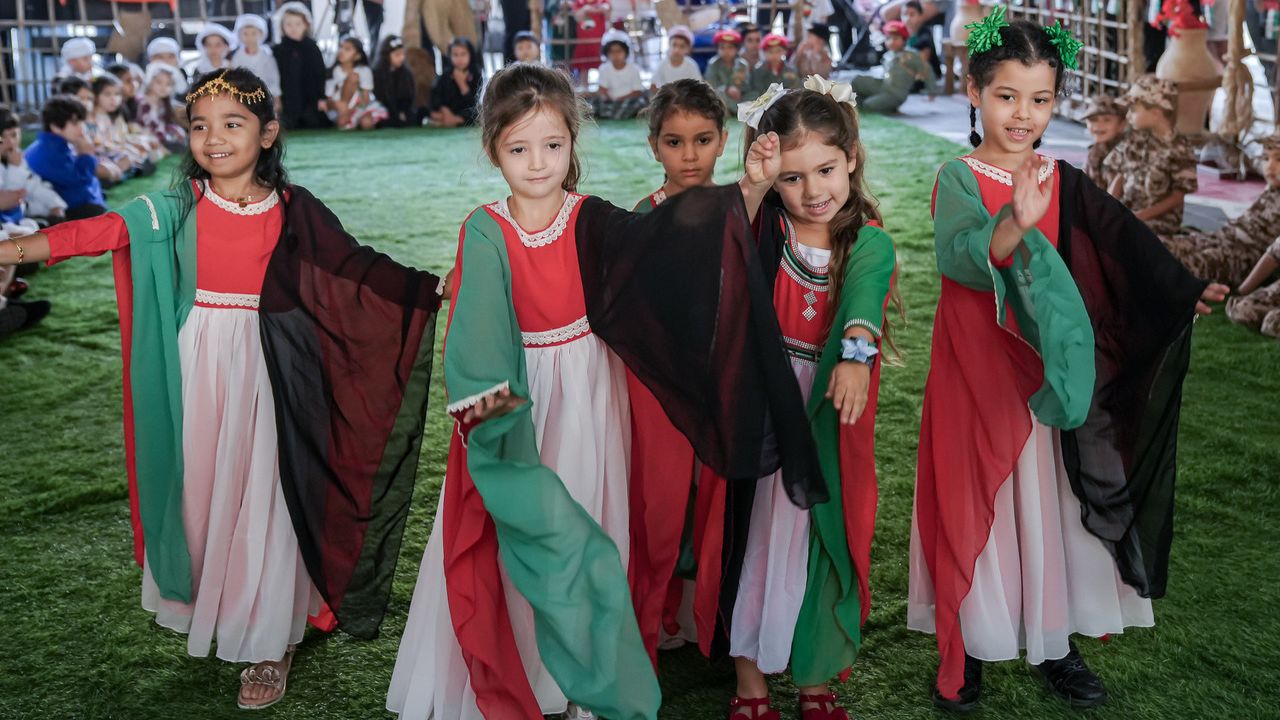
Across the UAE, International Mother Language Day is marked with joyful, inclusive events. Schools host multilingual assemblies, cultural performances, storytelling sessions and heritage showcases. Students may wear traditional dress, share music or poetry from their home countries, or take part in interactive language activities that reflect the diversity of their communities.
Swiss International School Dubai (SISD), which represents over 100 nationalities, describes the day as a celebration of its community.
“With over 100 nationalities represented at SISD, International Mother Language Day is a celebration of our community,” says Amina Daroueche, Assistant Head of Early Years and Primary, Bilingualism and Languages.
“This year, our campus will come alive with student-led activities, interactive quizzes, and students sharing multilingual quotes.”
She connects the celebration to Dubai’s wider multicultural landscape:
“In a multicultural city like Dubai, where families come from every corner of the world, safeguarding mother tongues is both culturally and academically important. Language shapes identity and strengthens a child’s sense of belonging
You might also like: The second edition of Yalla’s 100 StandOut UAE Schools Guide is here
Many languages, stronger thinking
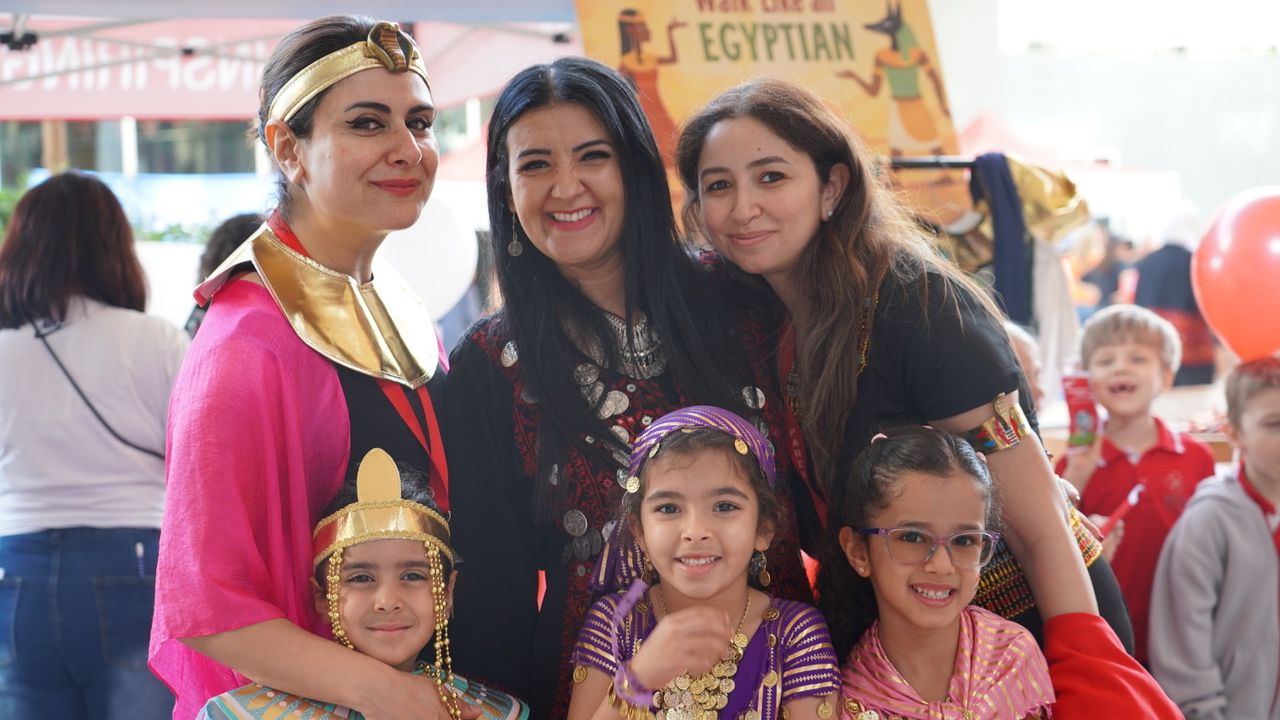
While many schools across the UAE foster multilingual environments, SISD’s model is distinctive in offering an IB continuum bilingual pathway.
SISD offers French–English and German–English streams designed to develop languages in parallel.
“As the UAE’s only IB continuum bilingual schools, we follow an intentionally immersive, structured model across all phases. In the Primary Years, students in our English–French and English–German streams learn through a co-teaching approach, with two fully qualified teachers delivering the curriculum collaboratively each day to ensure balanced exposure to both languages across subjects.”
The approach continues into Secondary: “In Secondary, bilingual development continues through subjects taught in the target language. This progression ensures academic rigour while embedding language meaningfully within subject learning rather than teaching it in isolation.”
Amina also highlights the broader academic case: “Fluency in more than one language enhances critical thinking, cultural intelligence and the ability to operate confidently across different contexts.”
Why it matters for families
For parents balancing heritage with global ambition, International Mother Language Day offers a moment to reflect. Protecting a child’s first language is not about limiting opportunity; research suggests it strengthens it.
“Students who are confident in their linguistic and cultural identity are better prepared to engage meaningfully on a global stage,” says Amina.
In the UAE’s richly diverse schools, language acts as a bridge to both the past and the future. It connects children to their roots while equipping them with the cognitive agility required for an increasingly global world.
Follow Yalla for all the latest education news