

KHDA Senior Specialist and Emirati children’s author Ebtisam Al-Beiti shares practical guidance on Ramadan in UAE schools, from timings and fasting to PE and wellbeing
Ramadan is almost here, and we asked Ebtisam Al-Beiti, KHDA Senior Specialist and Emirati children’s author, to share what UAE families need to know.
From shorter school days and PE to fasting, wellbeing and classroom kindness, here’s her parent-friendly guide to helping every child feel supported this month.
How to be Ramadan-ready as a parent in the UAE
Ramadan is a very special time for Muslims. Muslims are also required to fast, which means they don’t eat or drink from sunrise (Fajir) to sunset (Maghrib). According to Islam, fasting helps us understand what it feels like to be hungry, learn patience, and be thankful for the food we have.
What changes can be seen in schools during Ramadan?

School hours will be shorter. As the UAE is a Muslim country, many families will be adjusting to new routines during this special month. Muslim families wake up very early for their morning meal, suhoor, and many stay up later to perform extra prayers, taraweeh. With so many changes to daily life, school hours are shortened during Ramadan to help families adjust and rest.
What should parents check with the school?
Parents should expect shorter school days during Ramadan; please check the start and finish times with your school. Children who are fasting will not be expected to participate in physical activities that may cause fatigue or illness.
We also encourage everyone to be mindful and avoid eating or drinking in front of fasting children. School events and celebrations are usually planned either before or after Ramadan to respect families observing the month.
How do I know if my child is ready to fast?
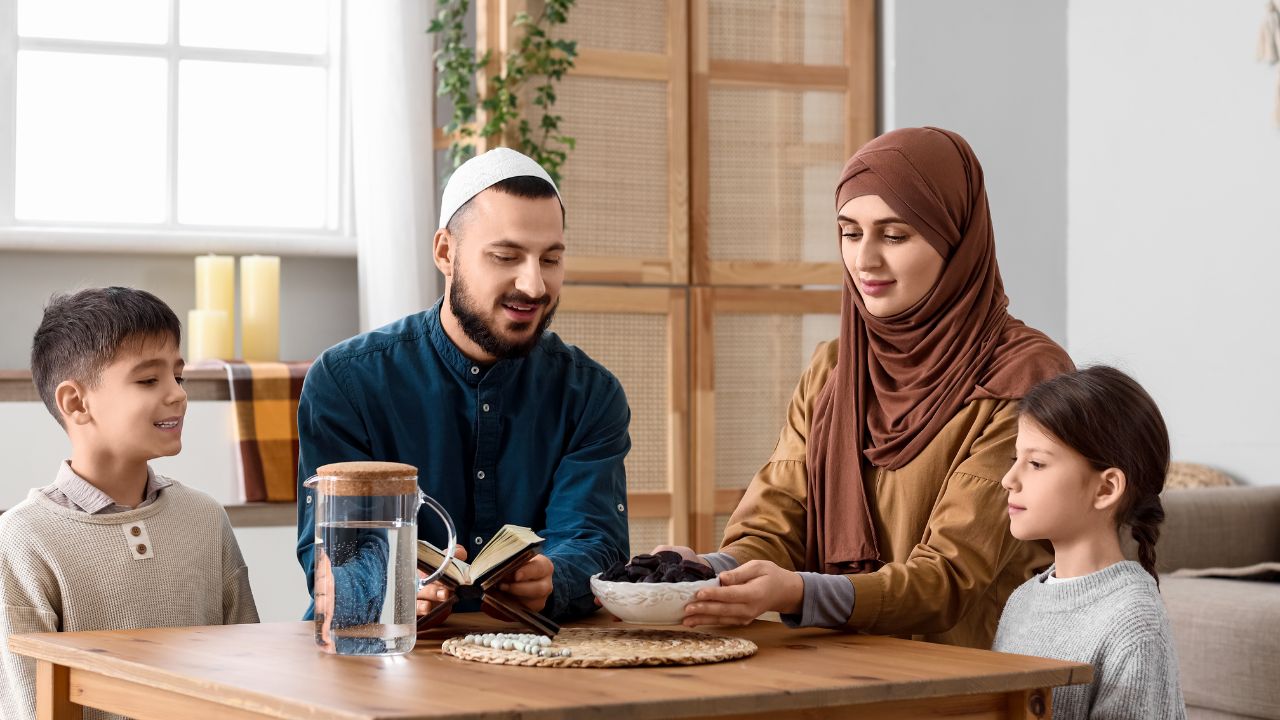
In Islam, children are not required to fast until they reach puberty, when fasting during Ramadan becomes obligatory, just as it is for adults. Before this age, children can practise gently if they feel ready, such as fasting for a few hours or half a day.
If your child is fasting, it’s a good idea to inform the teacher. There may be a few children fasting in the class; they can support one another and receive rest time as needed.
You might also like: Inside the rise of the UAE’s super-premium schools
How can non-fasting families support fasting children?
Simple actions, such as avoiding eating or drinking in front of fasting children when possible, can help them feel supported. Teachers can encourage kindness by explaining Ramadan in a child-friendly way and reminding students to be considerate of one another.
At home, families can talk to their children about Ramadan and the importance of being respectful, kind, and supportive of different traditions. Schools can also plan an iftar, where Muslim and non-Muslim children gather at school and break the fast together. This can be a lovely way to build understanding and a sense of community.
How can schools help children and parents understand Ramadan?

For children, schools can use simple explanations, stories, and picture books, and invite Muslim children to share what Ramadan means to them and their families.
For parents—especially those new to the UAE—schools can share clear guidance through newsletters, workshops or parent guides on what Ramadan is, how routines may change, and how to talk about it at home.
This helps families feel informed and confident, keeps messages consistent between school and home, and builds a respectful, inclusive community where everyone feels welcomed and supported during this special time.
How can school communities make Ramadan meaningful for all?

School iftars are a wonderful way to bring the whole school community together. Children can participate in arts and crafts activities related to Ramadan, and teachers can explain its meaning in a simple, age-appropriate way.
As Ramadan is a month of giving, schools can also organise charity events and donation drives. These activities help children understand the importance of helping others and make Ramadan a meaningful, shared experience for both Muslim and non-Muslim families.
Ramadan school tips (and story-time ideas)
- Keep mornings calm and plan for lower energy mid-afternoon.
- Prioritise sleep, especially on school nights.
- Keep after-school commitments lighter where possible.
- Flag any concerns early with the class teacher or school nurse.
- Encourage empathy at home; “quiet support” rather than spotlighting fasting.
- Use books to start gentle conversations about Ramadan: Ramadan in Space, Love in Ramadan, and It’s Ramadan, Curious George.
Follow Yalla for more education news