

From friendships to workload, expert advice to help your child navigate the transition to secondary school with confidence
The move from primary to secondary school is one of the biggest milestones in a child’s education, and for many families, one of the most uncertain.
New routines, new friendships and higher expectations can feel like a big leap. But with the right support, it’s also a moment of real growth, where confidence builds, independence develops, and children begin to thrive in new ways.
If your child is starting secondary school this September, here’s what to expect
We spoke to Jillian Caffrey, Deputy Head of Secondary at Swiss International Scientific School Dubai (SISD), who shares practical, reassuring insight into what really matters, and how families can best support their child.
What challenges do children most commonly face – and what’s often underestimated?
One of the biggest challenges when moving to secondary school is unfamiliarity. New environments, multiple teachers and new social groups can feel overwhelming at first, and settling in takes time.
What’s often underestimated, however, is just how resilient students are. By this stage, many are ready for greater independence and even welcome the change. While the transition can feel significant, most students adapt quickly and show a strong ability to bounce back and thrive.
What does “being ready” for secondary school really look like?
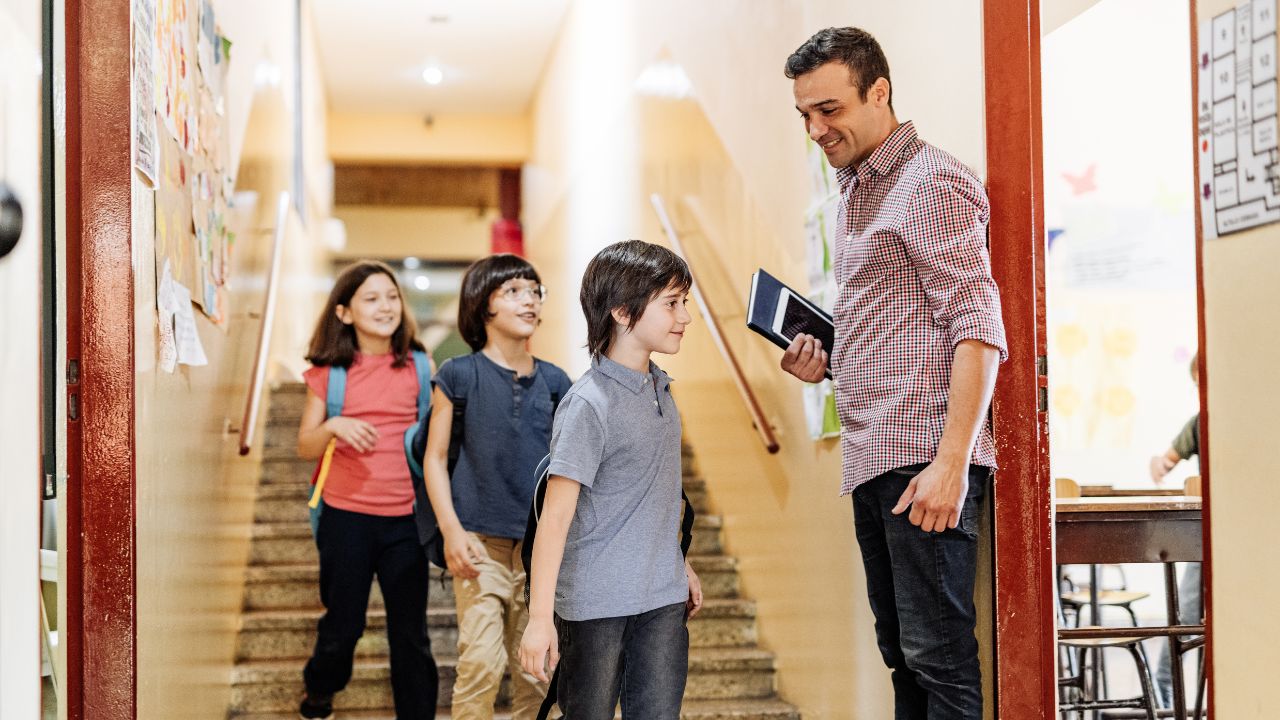
Being ready isn’t about having everything perfectly in place; it’s about having the foundations to adapt.
This includes growing independence, managing routines, organising belongings and taking responsibility for learning. Just as importantly, it’s about mindset. Students who are open to new experiences, willing to ask for help and able to navigate friendships with increasing confidence are well prepared.
Readiness isn’t perfection; it’s the willingness and ability to adjust, learn and grow.
What signs suggest a child may be struggling, and when should parents step in?
Early signs can include increased anxiety about school, noticeable changes in mood, or new worries around organisation, homework or exams, particularly if these weren’t concerns before.
Parents often have a strong instinct when something isn’t quite right. If it feels out of the ordinary, it’s worth paying attention. Stepping in early and contacting the school is key.
Ultimately, schools and families share the same goal: to ensure every student feels supported, settles well and has the opportunity to thrive.
How can parents balance independence with staying involved?
This transition is a shift from doing things for children to guiding them in doing things for themselves.
While students still need support, it’s an important time to build independence, giving them space to organise, manage routines and make decisions. The balance comes from staying involved without taking over.
Simple check-ins, conversations about their day, or using tools like a checklist – where the student leads and the parent monitors – can be very effective. It’s about offering reassurance while gradually stepping back as confidence grows.
You might also like: Beyond the right answer: how to help your child really love maths
What helps children feel confident and settle quickly?
A strong sense of community and connection plays a key role, often through friendships.
While many worry about friendships changing, it’s equally important to focus on the new connections that will form. With greater independence comes more opportunities to meet different people, and students who start off unsure often finish the year with a wide and supportive friendship group.
Feeling supported also matters. When students know there are people around them – teachers, peers and family- who want them to do well, it builds both confidence and security. That sense of belonging helps them settle more quickly and thrive.
Friendships often shift – how can children navigate this?
Friendship changes can feel significant, as they are closely tied to familiarity and comfort.
For parents, reassurance is key. It’s important to normalise that friendships evolve over time and that this is a natural part of growing up. While many students in the UAE are used to change, that doesn’t make it easy.
Helping children reflect on what makes a good friend (and how they can be one) can be powerful. While friendship groups may shift, this often leads to new and equally meaningful relationships.
What habits make the biggest difference as workload increases?
Simple routines can have a big impact:
- Use a planner to track homework and deadlines
- Pack the school bag the night before
- Set aside regular, consistent study time
- Talk openly about how they’re feeling and where support is needed
While the workload does increase, these habits help students feel more in control and confident in managing the change.
What’s one common mistake parents make – and what should they do instead?

A common challenge is knowing when to step in and when to step back.
This often comes from a place of care, but what’s most helpful is showing confidence in your child’s ability to manage the transition. Trust that they are capable of doing hard things, while staying present to support them through the ups and downs.
Parents play a key role as both a source of reassurance and a partner with the school, helping reinforce that the child is supported, capable and ready to thrive.
How has this transition changed in recent years, and what should parents know?
Schools have evolved significantly, with stronger systems, better resources and a deeper understanding of how to support students through key transitions.
There is now a more holistic approach, where academic success and wellbeing go hand in hand. Student wellbeing is firmly at the forefront, with a strong focus on ensuring children feel safe, supported and connected.
For parents, this means trusting that alongside academic progress, there is a clear emphasis on helping their child feel confident, settled and ready to succeed.
What questions should parents be asking schools about the transition?
Key questions to consider:
- How do you support students in settling into secondary school?
- How is communication with parents managed?
- Who is the main point of contact if concerns arise?
- What are the key routines and expectations in the first term?
- How do you gradually build students’ independence?
Ultimately, parents should feel confident that the school will support their child not just academically but also socially and emotionally, helping them feel settled, supported, and ready to thrive.
Follow Yalla for all the latest news