Expert advice from The Majlis Academy on nurturing Arabic language, cultural understanding and a strong sense of belonging
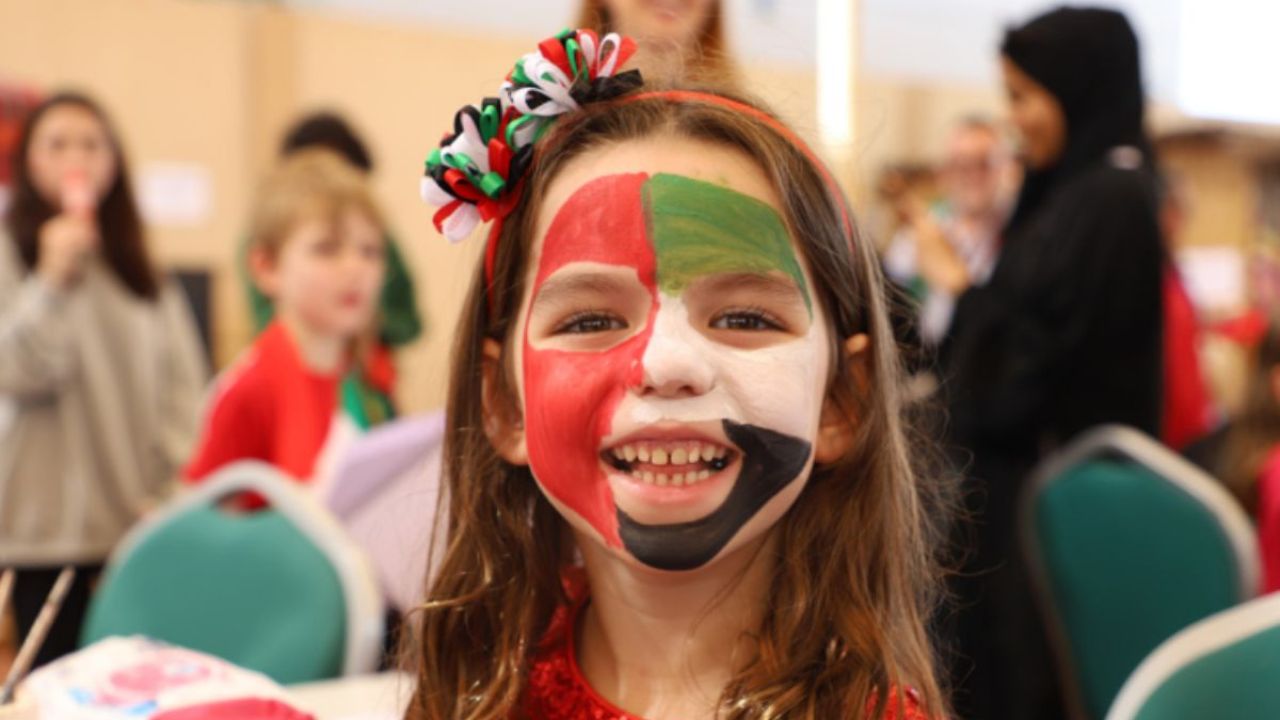
The UAE is a brilliantly multicultural place where children grow up surrounded by different languages, traditions and identities.
This diversity brings extraordinary opportunity, but it also raises natural questions for parents.
How do we build cultural understanding in everyday life?
How do children develop belonging when “home” may be more than one place?
How do we support Arabic acquisition or bilingualism in a joyful, natural way?
Drawing on their work with The Majlis Academy, Together, We Became the UAE authors Victoria Hopkin and Mufida Al Digeil share practical, research-informed strategies to help young children build cultural confidence, belonging and pride in the UAE.
How parents can support at home
Parents play an essential role in helping children connect language, culture and identity.
Books, stories and simple everyday interactions can become powerful tools for family conversations and shared learning. They support Arabic learning and/or bilingual learning in small, manageable ways while helping children build an emotional connection to where they live.
TOP TIPS FROM THE EXPERTS
These tips from Victoria and Mufida are designed to make raising a culturally-connected child achievable, warm and meaningful for every family.
1. Make meaning through conversation
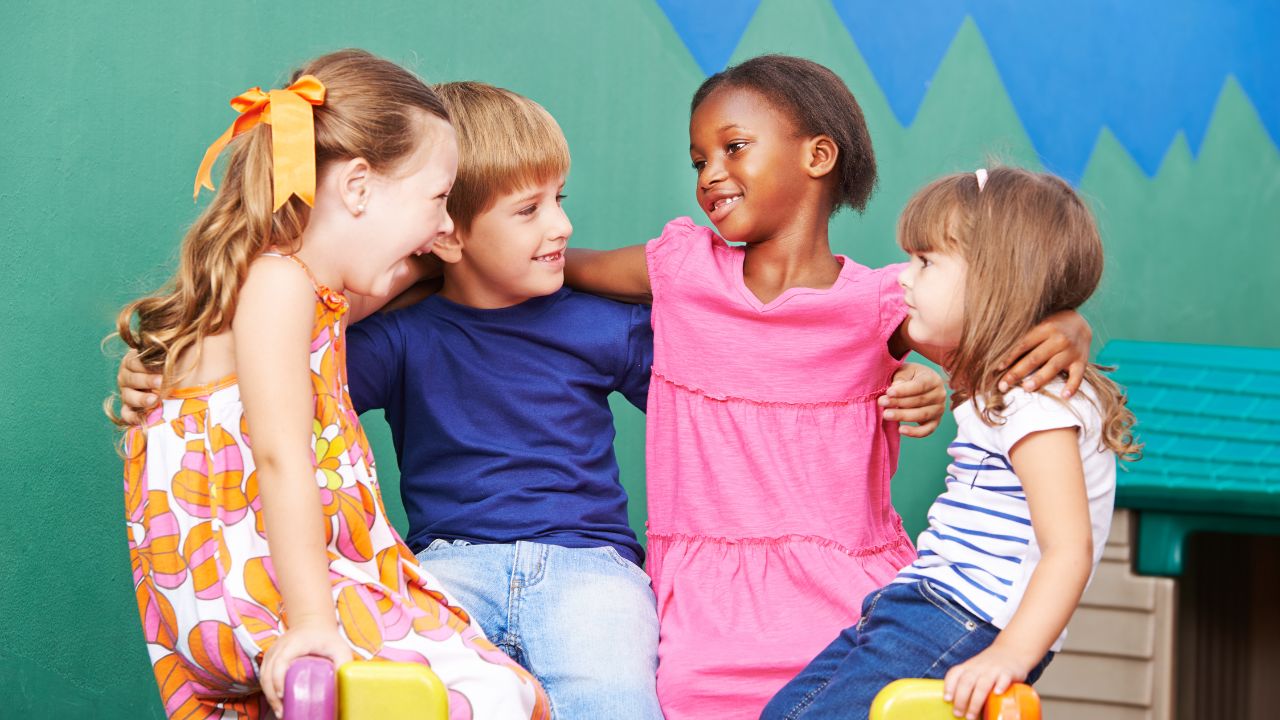
Pause during reading time or daily routines to talk about what “home” means to your family. Children growing up between cultures benefit enormously from hearing how your own experiences and background connect to life in the UAE. These gentle conversations help anchor identity.
2. Support bilingualism through everyday routines
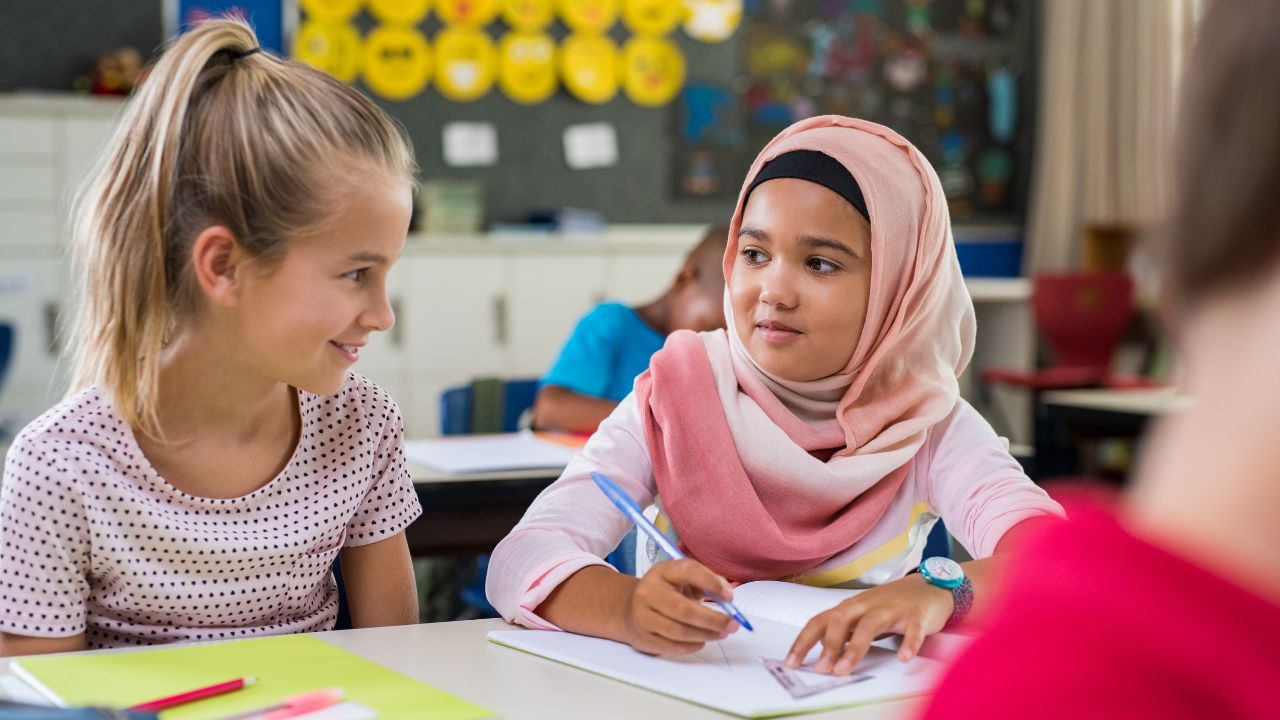
Children learn languages best through repetition, play and low-pressure exposure.
Repeat key Arabic and English words using simple vocabulary on the school run, at mealtimes, or while playing. The goal is familiarity and confidence, not perfection.
Practical ideas:
- read bilingual storybooks together
- play bilingual songs during car rides
- label everyday items in both languages
- praise effort rather than accuracy
3. Make cultural symbols real and relatable
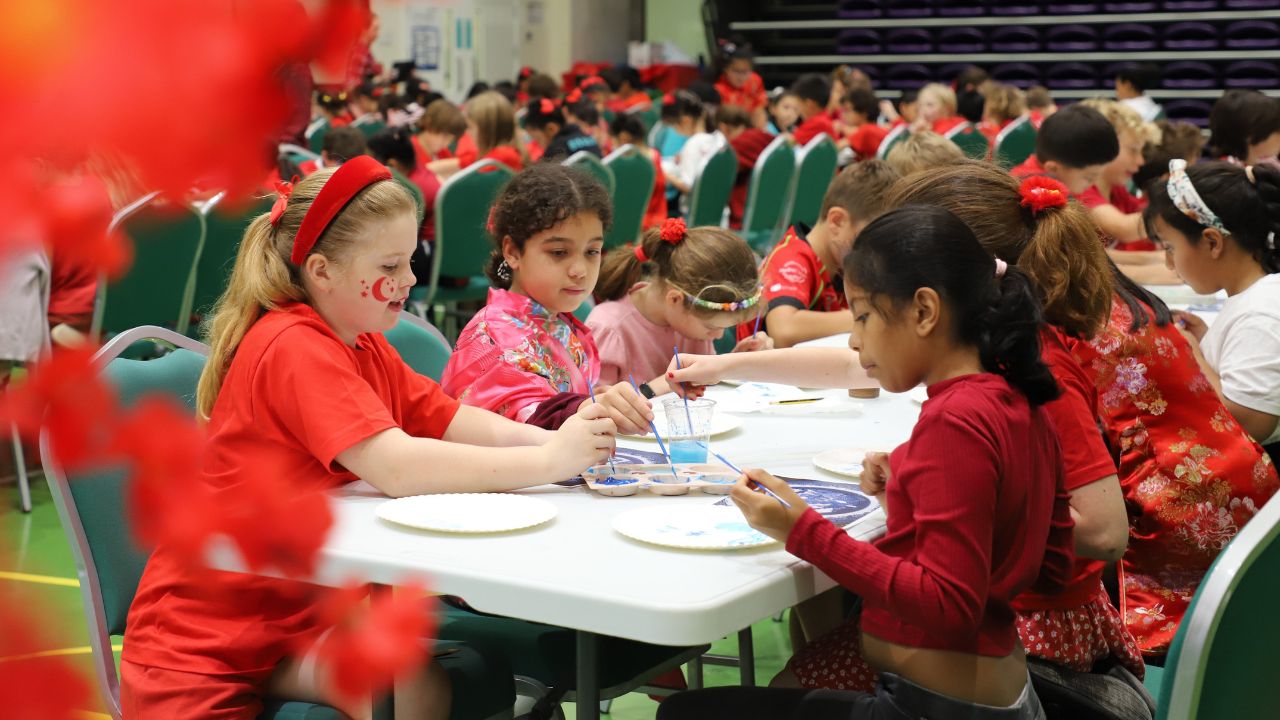
Children connect to culture when they can see, name and interact with it.
Try:
- spotting flags, ghaf trees or local landmarks
- talking about traditional clothing or Emirati foods
- linking what they see back to stories you’ve read
These small connections deepen cultural understanding and build pride in the place they live.
4. Retell stories through play
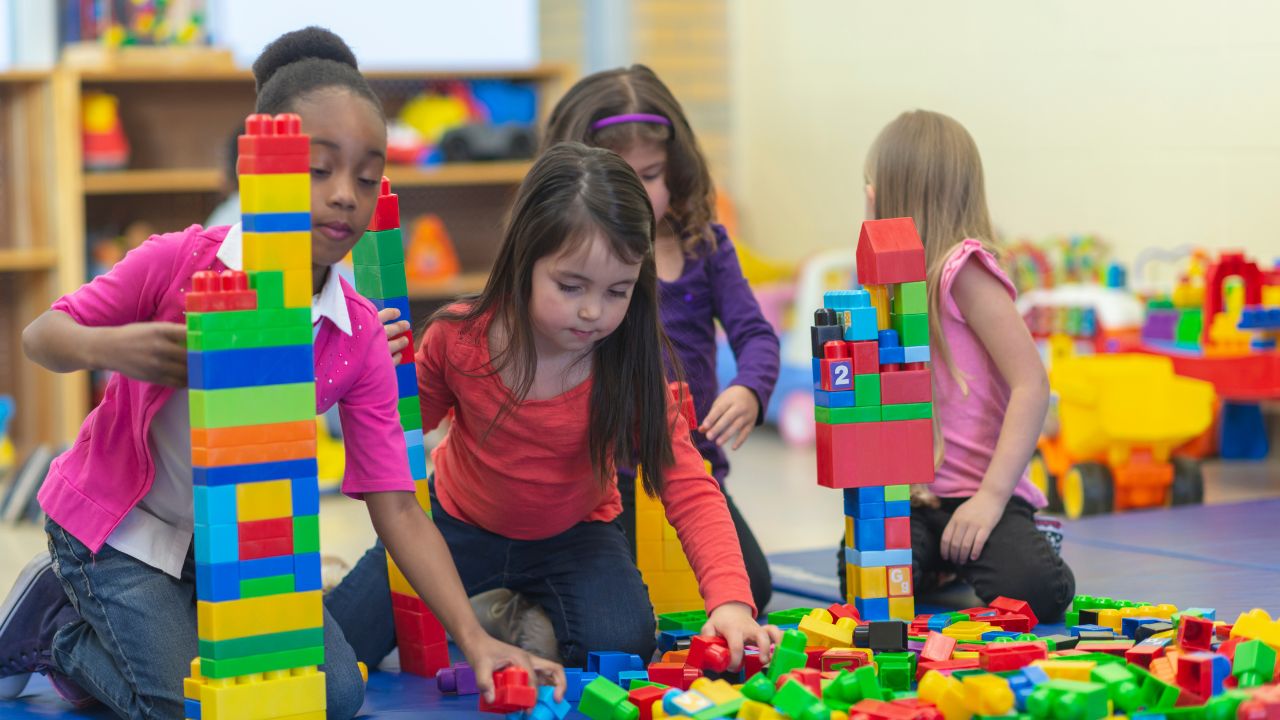
Young children learn best through doing. After reading, encourage them to recreate scenes using toys, drawings, blocks, or role-play.
This strengthens comprehension, vocabulary and emotional connection — and helps children “live” the story, not just hear it.
5. Invite family storytelling
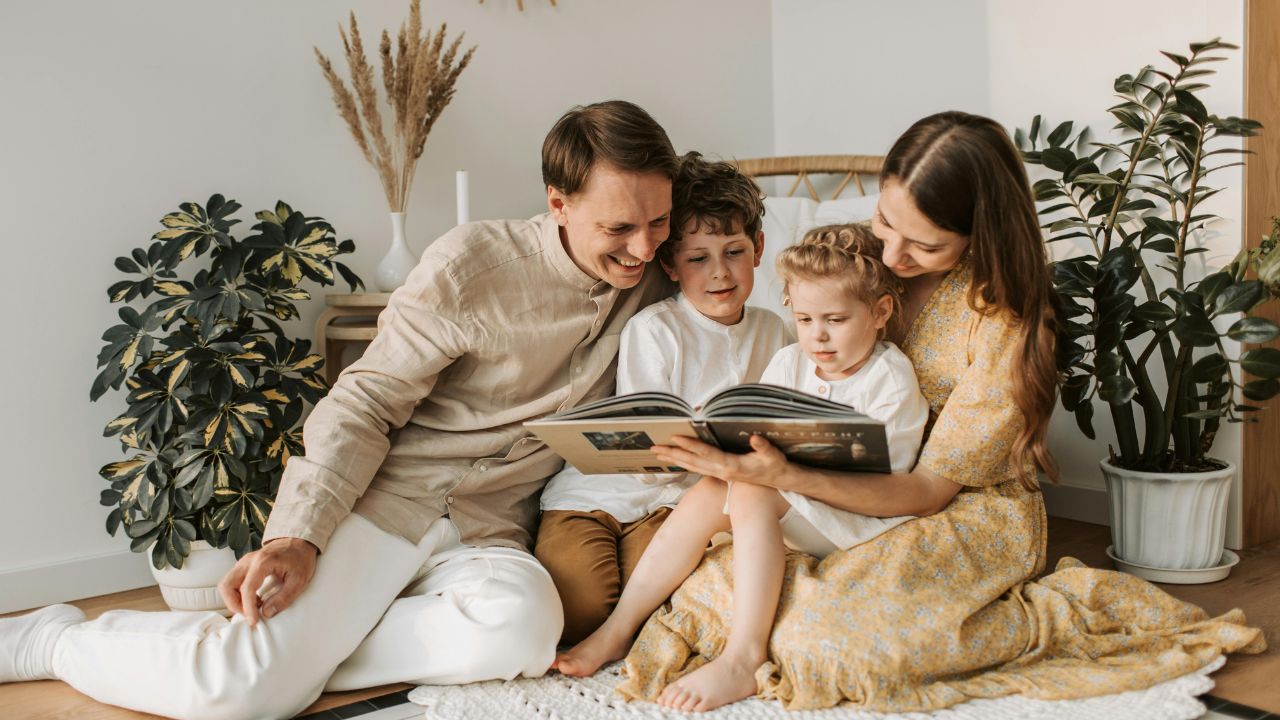
Grandparents, older siblings and extended family can provide cultural continuity, whether you live close by or far away.
Encourage:
- sharing childhood memories
- talking about traditions
- comparing celebrations across cultures
These conversations strengthen roots and help children understand the many layers of their identity.
About The Majlis Academy
The Majlis Academy creates bilingual picture books, play-based resources and Early Years training that help bring Arabic language, culture and identity to life.
Designed for both native and non-native speakers, their materials make Arabic learning fun, accessible and meaningful for families across the UAE.
More at: Majlis Academy
Follow Yalla for more educational news