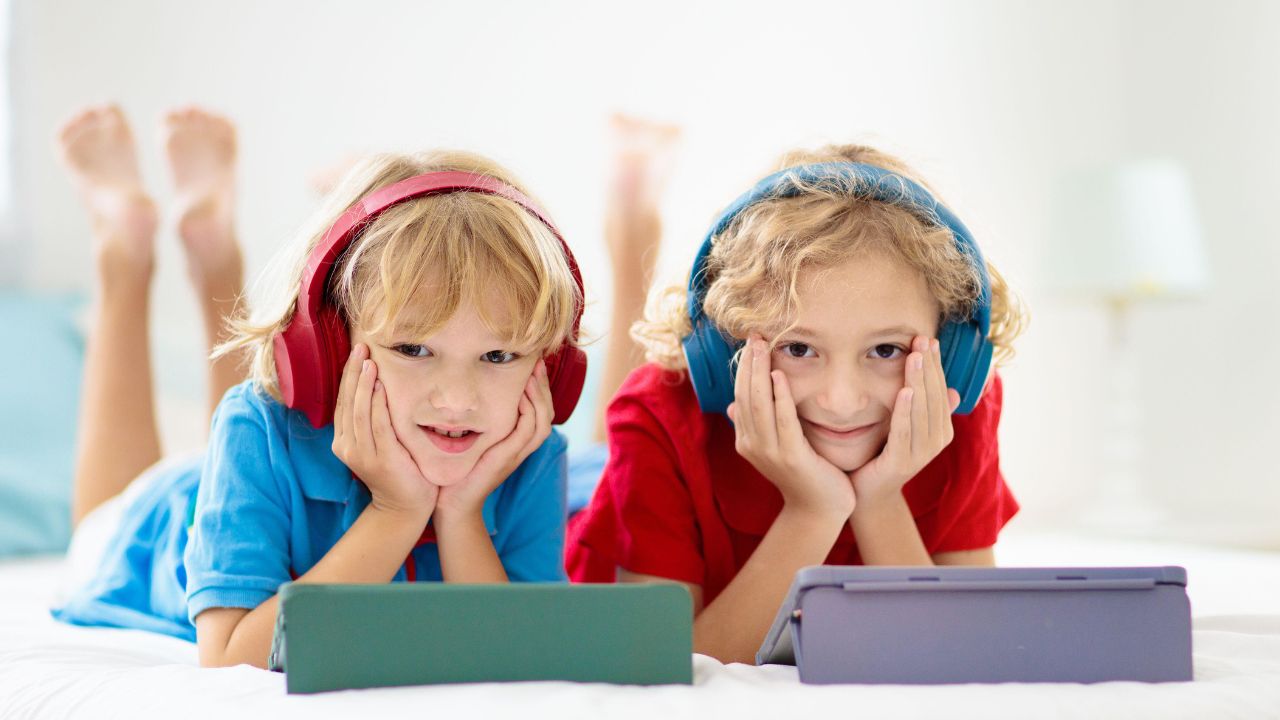
Homeschooling in the UAE? These trusted global platforms turn screen time into meaningful learning
With UAE schools moving temporarily online, many parents are looking for ways to keep children engaged, learning, and balanced at home.
The good news: there is a wealth of high-quality, free educational platforms and resources used by schools worldwide that combine structure, creativity, and fun.
We asked some of the UAE’s standout schools for their top online learning platforms for kids aged 3-16, and here are their picks.
Best online learning platforms
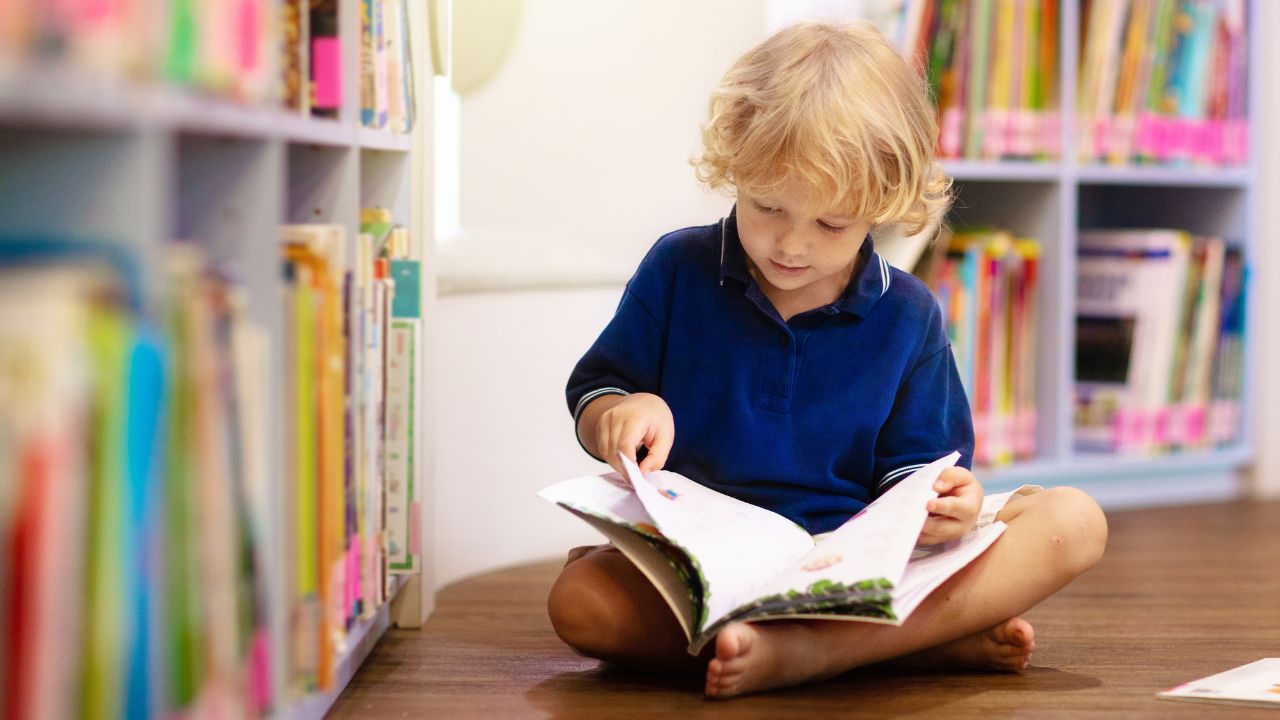
Reading & literacy
Teach Your Monster to Read (Ages 3–7)
A phonics-based game that teaches letter sounds and blending through play. One of the most effective free tools for early reading foundations.
For more details, visit teachyourmonster.org
Jolly Phonics (Ages 4–6)
A structured phonics system widely used in British curriculum schools. While the full programme is paid, free guides and songs (like this in Youtube) help parents support learning at home.
Oxford Owl (Ages 4–11)
A free eBook library with levelled reading books and parent guidance. Ideal for building confidence and fluency in early and primary readers.
For more details, visit oxfordowl.co.uk
BBC Bitesize (Ages 6–16)
Curriculum-aligned lessons, videos and quizzes across all subjects.
For more details, visit bbc.co.uk/bitesize
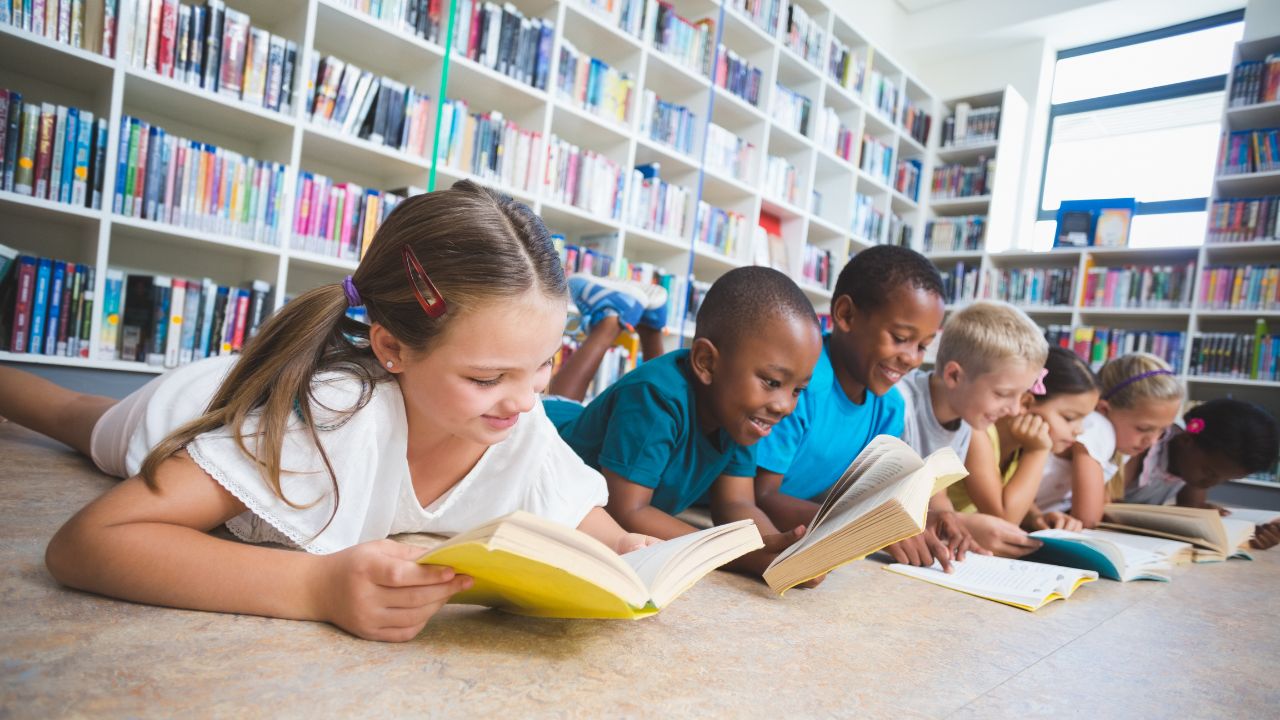
Reading for pleasure & storytelling
Julia Donaldson (Ages 3–8)
Free activity packs, games and storytelling resources based on her books. Perfect for building vocabulary, rhythm and a genuine love of reading.
For more details, visit juliadonaldson.co.uk
CBeebies Bedtime Stories (Ages 3–8)
Well-known UK personalities reading children’s books in a calm, engaging format. Ideal for winding down while reinforcing language and listening skills.
For more details, visit cbeebies.com
Michael Rosen (Ages 4–11)
Storytelling, poems and read-aloud videos that bring language to life. Focuses on enjoyment, expression and making reading meaningful.
For more details, visit michaelrosen.co.uk
Penguin Random House (audiobook samples & story clips) (Ages 6–16)
Offers free audiobook samples, extracts and first chapters from popular children’s books. A useful way for children to “try before they read” and build interest in longer texts.
For more details, visit penguinrandomhouse.com
You might also like: The best activities to keep the kids engaged
Science & STEM

Maddie Moate (Ages 5–11)
A trusted science presenter explaining how everyday things work. Combines real-world exploration with simple, engaging experiments.
For more details, visit maddiemoate.com
NASA Space Place (Ages 6–12)
Interactive games and activities explaining space and science concepts. A strong introduction to real-world STEM.
For more details, visit spaceplace.nasa.gov
Mystery Science (Ages 6–12)
Short, ready-made science lessons built around big questions. Ideal for parents who want structured, easy-to-follow activities.
For more details, visit mysteryscience.com
National Geographic Kids (Ages 6–14)
High-quality articles, videos and quizzes covering science, animals and geography. Excellent for curiosity-led, independent learning.
For more details, visit kids.nationalgeographic.com
Code.org (Ages 6–16)
Free coding courses and games that build logic and problem-solving skills. Widely used globally in schools.
For more details, visit code.org
Maths & core learning
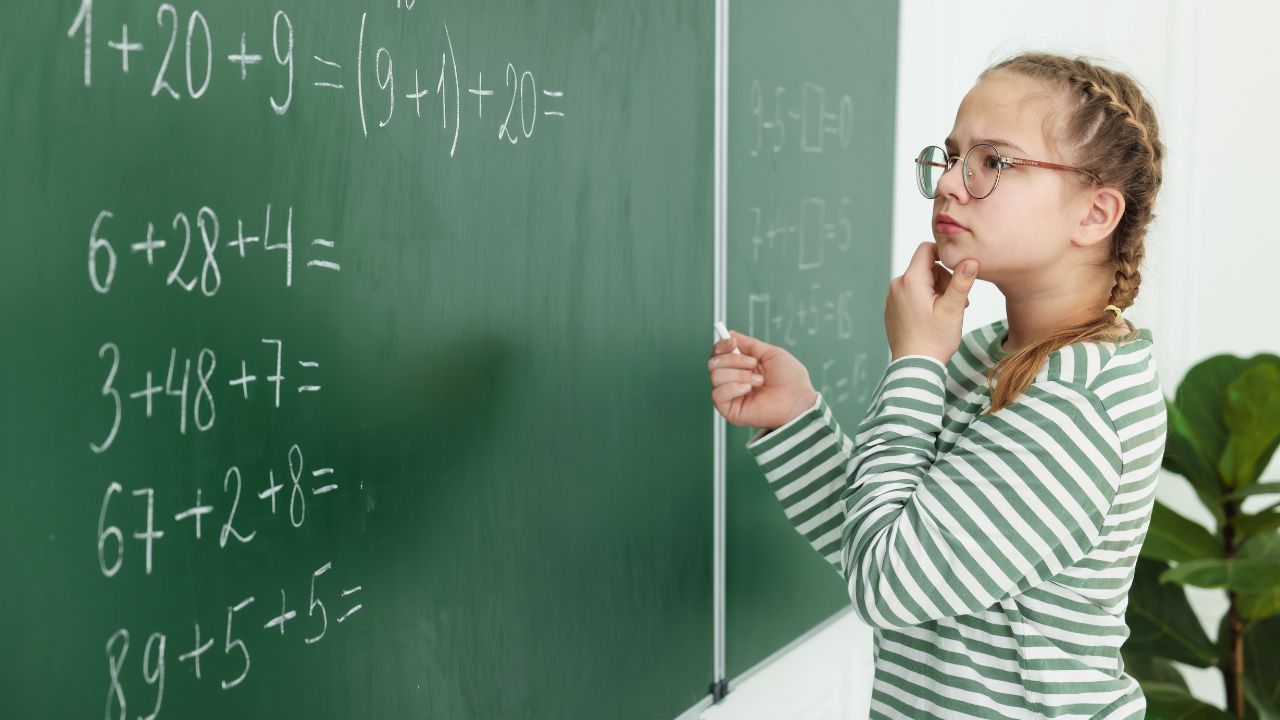
Funbrain (Ages 5–12)
Short maths, reading and problem-solving games. Ideal for quick, focused learning sessions.
For more details, visit funbrain.com
Prodigy Maths (Ages 6–14)
A game-based maths platform where children solve problems to progress. Highly engaging and effective for practice.
For more details, visit prodigygame.com
Humanities & general knowledge
BBC Newsround (Ages 6–14)
Daily news explained in a child-friendly way. Builds awareness, comprehension and critical thinking without overwhelm.
For more details, visit bbc.co.uk/newsround
DK Find Out! (Ages 6–14)
Highly visual, child-friendly articles, quizzes and explainers across science, history and geography. Strong for curious readers who prefer short, engaging content.
For more details, visit learning.dk.com
Horrible Histories (Ages 7–13)
History brought to life through comedy, songs and sketches. Highly memorable and effective for reluctant learners.
For more details, visit bbc.co.uk/cbbc/shows/horrible-histories
Time for Kids (Ages 8–14)
News adapted for younger readers using clear, accessible language. Supports reading skills alongside global awareness.
For more details, visit timeforkids.com
Crash Course (Ages 12–18)
Fast-paced, high-quality videos across history, science and more. Best suited to older students.
For more details, visit thecrashcourse.com
Creativity, wellbeing & movement
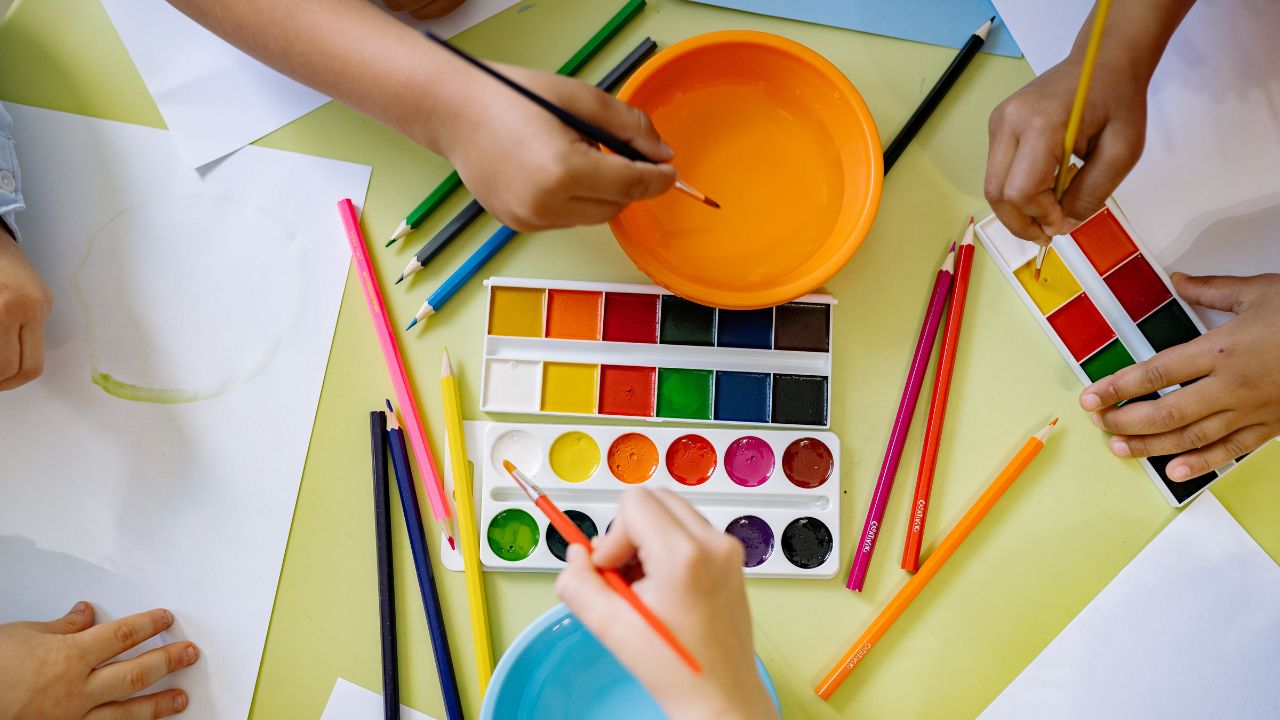
Cosmic Kids Yoga (Ages 3–10)
Story-led yoga sessions combining movement and mindfulness. Ideal for energy breaks and focus.
For more details, visit youtube.com/user/CosmicKidsYoga
GoNoodle (Ages 5–12)
Short movement and brain-break videos to reset focus. Widely used in classrooms globally.
For more details, visit gonoodle.com
Twinkl (UAE) (Ages 3–16)
A major classroom resource platform with free worksheets and lessons. Strong alignment with the British curriculum.
For more details, visit twinkl.ae
Interactive learning & revision
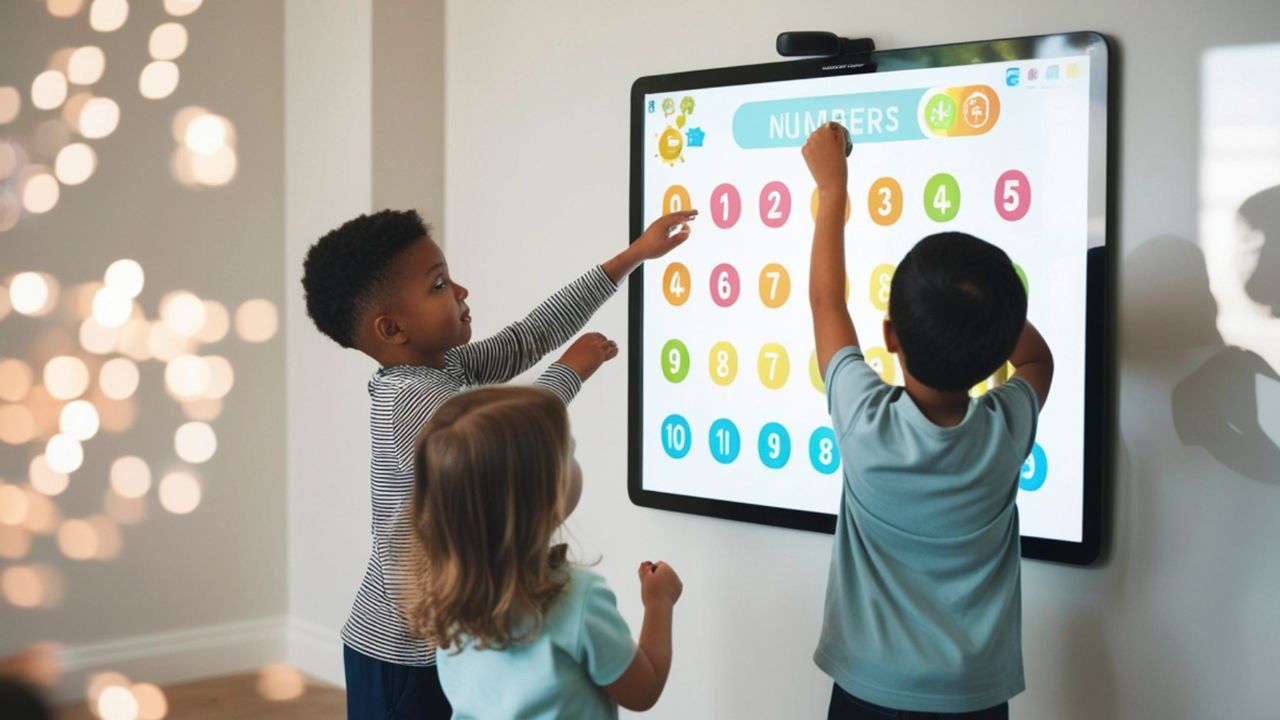
Kahoot! (Ages 7–16)
Interactive quizzes used in schools worldwide. Great for quick revision, family quizzes and group learning.
For more details, visit kahoot.com
Blooket (Ages 8–16)
Game-based quizzes that turn revision into fast-paced competition. Highly engaging for reinforcing school topics.
For more details, visit blooket.com
How to use this at home
- Keep it simple: 2–3 platforms per day
- Mix formats: reading, video and interactive tasks
- Build routine: short, consistent sessions work best
- Balance matters: include movement and creative time
Not all screen time is equal. With the right platforms, it becomes a tool for curiosity, confidence and independent learning, even during unexpected times at home.
Follow Yalla for more family and entertainment