
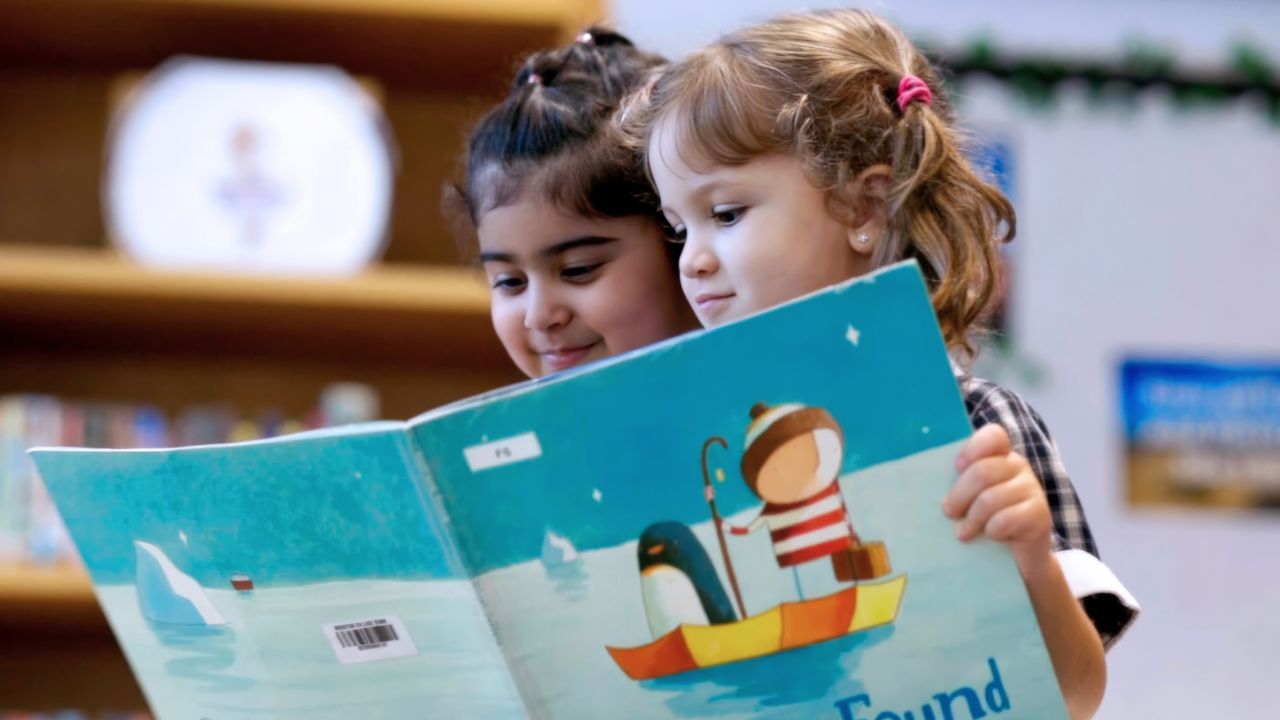
Not all phonics teaching is the same. Discover what strong early reading looks like and the questions to ask when choosing a school
Learning to read is one of the biggest milestones of the early years. But how do you know whether your child is making good progress or whether a school is teaching phonics well?
The good news is that you don’t need to be a teacher to recognise excellent early reading instruction. There are clear signs of effective teaching, practical questions to ask when visiting schools, and simple ways to support reading at home.
Brighton College Dubai recently became the first school in Dubai to be recognised as a Read Write Inc. Flagship School. We spoke to Lucy Nadin, FS2 Teacher and Phonics Lead, to find out what every parent should know about phonics, early reading and choosing the right school.
What is phonics and why does it matter?
Phonics is how children learn to connect letters with sounds so they can read and spell independently.
Rather than memorising whole words or guessing from pictures, children learn to recognise individual sounds, blend them together and decode unfamiliar words confidently.
“Phonics is the foundation of early reading,” says Nadin. “It teaches children how sounds link to letters so they can read and spell with confidence. This builds confident, independent readers who can tackle new words on their own.”
As children become fluent decoders, reading becomes less about working out words and more about understanding and enjoying stories.
What does excellent phonics teaching actually look like?
Parents rarely get to observe a phonics lesson, but there are some clear signs of high-quality teaching.
An effective phonics programme should be:
- taught every day
- highly structured and consistent
- fast-paced and engaging
- matched to each child’s stage of learning
- supported with books that reflect the sounds children already know.
“At Brighton College Dubai, children are taught in carefully matched groups, follow familiar routines, and read books that closely match the sounds they know,” explains Nadin. “This helps build confidence and fluency quickly.”
One thing that often surprises parents is how simple early reading books appear.
If your child brings home a book that seems “too easy”, don’t worry. Decodable books are deliberately matched to the sounds children have already learned, allowing them to practise new skills successfully and build confidence before moving on.
Five signs your child is on track with reading
You don’t need to assess your child’s reading every evening. Instead, look for steady progress over time.
Positive signs include:
- blending sounds together more smoothly
- tackling unfamiliar words independently
- reading with increasing confidence
- making fewer guesses from pictures
- enjoying reading more each week
“Parents will begin to notice progress when their child starts blending sounds smoothly, reads with growing confidence and approaches unfamiliar words independently,” says Nadin.
When should parents speak to the school?
Some children simply need more time, but others benefit from additional support.
It is worth speaking to your child’s teacher if you notice they:
- struggle to hear individual sounds in words
- find blending difficult
- become frustrated during reading
- avoid reading altogether
- seem to lose confidence.
“The earlier support begins, the better,” reveals Nadin. “Teachers can identify these signs early and provide targeted support before children fall behind.”
Choosing a school? Ask these questions
When visiting a prospective school, don’t be afraid to ask how reading is taught.
Useful questions include:
- Is phonics taught every day?
- Is the programme structured and systematic?
- Are reading books matched to children’s phonics knowledge?
- How is progress assessed?
- How quickly are children identified if they need extra help?
- How are teachers trained to ensure consistency?
“Look for a school that communicates clearly, demonstrates strong structure and shows confidence in its approach to early reading,” says Nadin.
One mistake many parents make
Parents naturally want to help when their child gets stuck.
But one of the most common mistakes is encouraging children to guess unfamiliar words using pictures or context instead of sounding them out.
“It feels helpful in the moment,” explains Nadin, “but giving children time to sound out words helps them become confident, independent readers.”
Instead of supplying the word immediately, pause, encourage them to use the sounds they know and praise their effort rather than perfection.
How can multilingual families support reading?
This is especially relevant in the UAE, where many children grow up speaking two or more languages.
The good news is that speaking another language at home doesn’t hinder reading development; in fact, it can strengthen it.
“We celebrate the rich linguistic diversity of our community,” says Nadin. “Strong language skills in any language are a powerful foundation for reading development.”
Families should continue speaking, reading and telling stories in their home language while also enjoying English books together.
How to support early reading and phonics at home
Forget expensive resources or complicated learning activities.
The biggest difference comes from reading together every day.
Whether it’s five minutes before bedtime or sharing a favourite picture book after school, making reading enjoyable helps children associate books with comfort, curiosity and confidence.
“Read with your child every day and make it feel special,” says Nadin.
While phonics teaches children how to read, it’s a love of stories that helps create lifelong readers.