A major new transport project is set to reshape how the city connects
Dubai is gearing up for a major transport upgrade, and this one is set to transform the city once and for all.
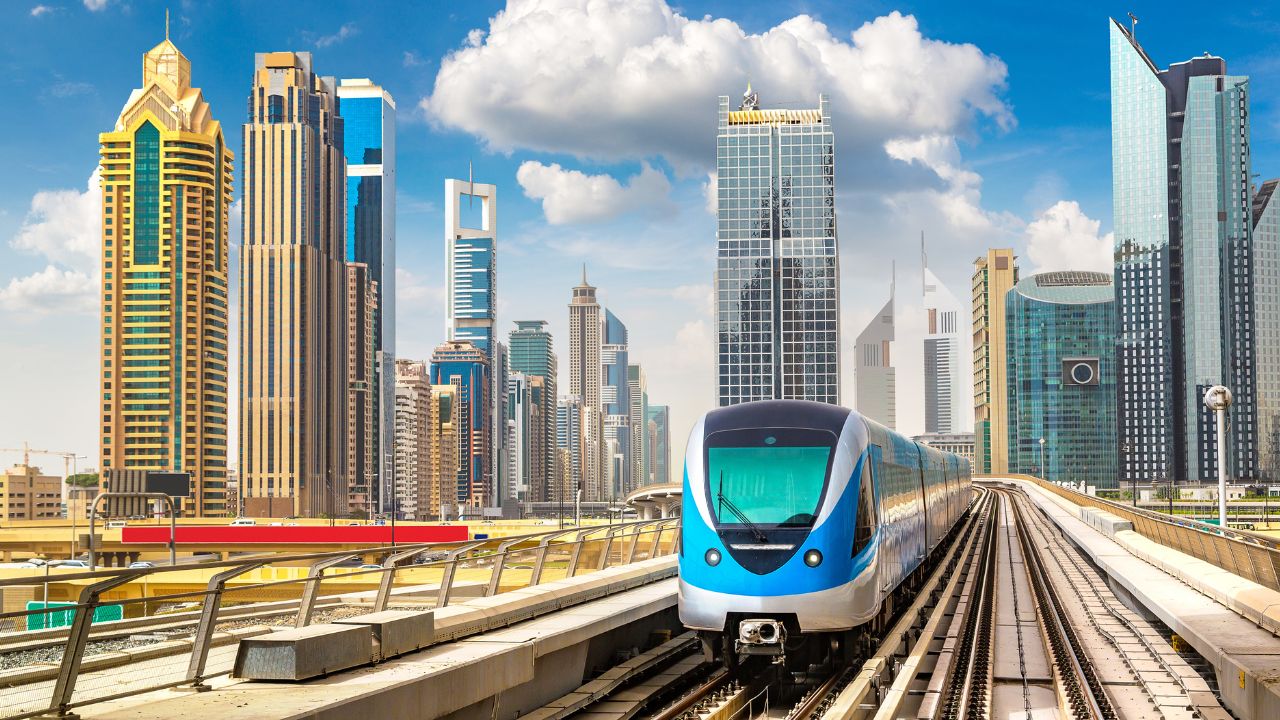
The newly announced Dubai Metro Gold Line is the largest public transport project in the city’s history, designed to completely reshape how residents move across the city and beyond.
Backed by a AED34 billion investment and unveiled by Sheikh Mohammed bin Rashid Al Maktoum, the ambitious project will serve around 1.5 million residents and significantly expand the reach of the Dubai Metro.
A major expansion for Dubai
The Gold Line will span 42 kilometres, making it one of the biggest additions to Dubai’s transport network to date. Once complete, it’s expected to increase the overall metro network by up to 35 percent, opening up faster and more efficient connections across the city.
The line will feature 15 key strategic areas, linking older districts with newer residential communities and major developments currently under construction.
Which locations will it serve?
View this post on Instagram
Dubai’s upcoming Metro Gold Line is set to reshape travel across the city, connecting key residential, commercial, and leisure hubs. Locations as follows:
- Al Ghubaiba
- Bur Dubai
- BurJuman
- Al Satwa
- Al Bada
- Al Wasl
- Zabeel
- Business Bay
- Al Quoz Industrial Area
- Meydan
- Mohammed Bin Rashid City
- Dubai Hills Estate
- Al Barsha
- Arabian Ranches
- Majan
- Jumeirah Village Circle (JVC)
- Jumeirah Village Triangle (JVT)
- Dubai Sports City
- Dubai Motor City
- Dubai Production City
- Dubai Studio City
- Jumeirah Golf Estates (link to Etihad Rail)
- Global Village (area coverage)
- Dubai Miracle Garden (area coverage)
Route and key areas
The route will begin in Al Ghubaiba, one of Dubai’s historic districts, and run all the way to Jumeirah Golf Estates. Along the way, it will pass through a mix of central and suburban hubs including Business Bay, Al Satwa, Al Wasl, Dubai Hills, Arabian Ranches, JVC, Dubai Sports City, and Mohammed Bin Rashid City.
It will also serve popular destinations such as Burj Khalifa, Global Village, and Dubai Miracle Garden, making it a key line for both residents and visitors.
Seamless connections
One of the standout features of the Gold Line is how well it integrates with existing transport networks. It will connect with both the Red and Green Lines at key interchange stations like Al Ghubaiba, BurJuman, Business Bay, and Jumeirah Golf Estates.
There are also plans to link the line with Etihad Rail, creating a wider, more connected transport system that goes beyond Dubai.
You might also like: You can now join this fun DXB Snow Run in Dubai – and it’s seriously cool
Dubai’s first fully underground line
View this post on Instagram
Unlike existing routes, the Gold Line will be the first fully underground metro line in Dubai. Built at depths of up to 40 metres, it will use advanced tunnelling technology to minimise disruption at street level.
In practical terms, that means fewer road closures, less construction impact, and a smoother building process across busy parts of the city.
What does this mean for commuters?
The Gold Line is designed to make everyday travel easier. By connecting more than 20 communities and over 55 major real estate developments, it will reduce reliance on cars and help ease congestion on key roads.
Looking ahead, daily ridership is expected to reach 465,000 passengers by 2040, highlighting just how important this line will be to Dubai’s future.
A long-term vision
Beyond convenience, the project is also about sustainability and smart urban planning. By encouraging more people to use public transport, the Gold Line will play a role in reducing emissions and supporting Dubai’s long-term growth.
Construction will rely on cutting-edge tunnel-boring technology, allowing work to take place beneath the surface without disrupting daily life above.
When will it open?
The Gold Line is scheduled for completion in 2032, aligning with the 23rd anniversary of the Dubai Metro. While that may feel a little way off, the scale of the project means it’s built with the future in mind.
One thing’s certain, once it’s up and running, getting around Dubai is going to look very different.
Follow Yalla for all the latest news